Myanmar’s Military Control Clashes With Regional Diplomacy and Safe Returns
Myanmar’s military authorities are tightening control as airstrikes hit civilians in Rakhine, Rohingya residents report arrests and extortion, and the government rejects ASEAN’s envoy. At the same time, proposed refugee returns face unresolved safety concerns, while U.S. courts have cleared the end of TPS for nearly 4,000 Myanmar nationals; the reported Red Cross meeting with Aung San Suu Kyi remains unelaborated.
Monday, Aug 10, 2026
Tracking: NUG · Rohingya · Myanmar
Geography: Myanmar, Rakhine State, Bangladesh, Cox's Bazar
1. Junta Airstrikes Kill Civilians Around Myanmar’s Ngapali Beach
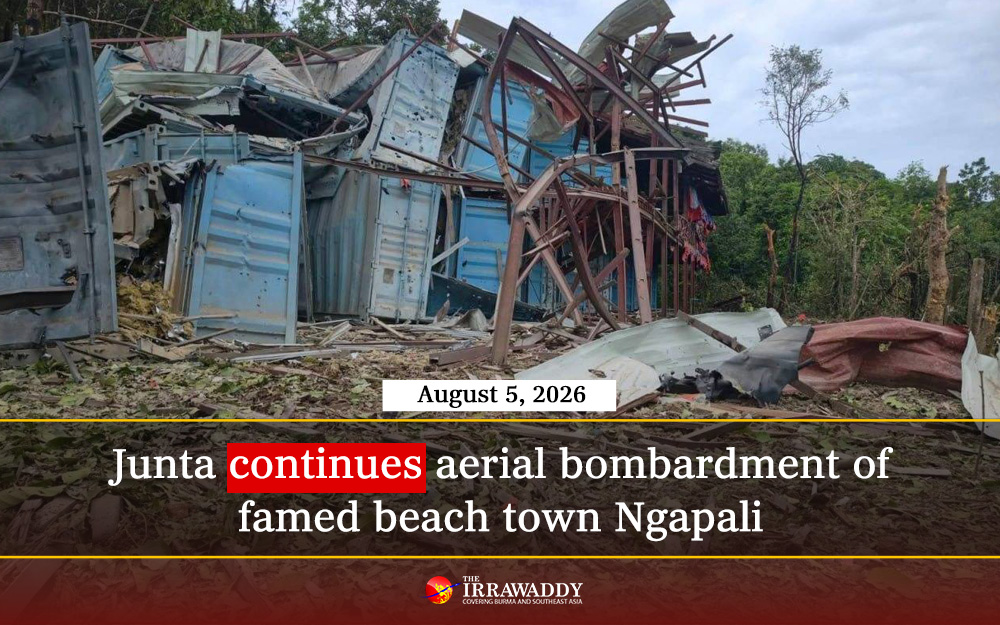
Myanmar’s military has conducted near-daily airstrikes on Ngapali Beach and surrounding Thandwe Township since early July, local sources and analysts told Burma News International.
Between July 19 and August 3, strikes hit the area on seven of 12 days, killing at least seven civilians and injuring 40. The bombardment has also displaced residents and disrupted livelihoods across southern Rakhine State.
The attacks damaged homes, hotels, commercial infrastructure and factories; a July 23 strike hit AZ Family Resort on Lintha Beach.
The Arakan Army captured Thandwe on September 5, 2024, after a five-month offensive, but the area remains exposed to junta aircraft and naval shelling despite local administration and services established by the Arakan People’s Revolutionary Government.
Residents report multiple jets now arriving with roughly 10 seconds’ warning, leaving little time to shelter.
Key facts:
At least seven civilians were killed and 40 injured in Thandwe Township.
Junta forces bombed the area on seven of 12 days between July 19 and August 3.
The Arakan Army captured Thandwe on September 5, 2024, after a five-month offensive.
An airstrike hit AZ Family Resort on July 23, causing casualties and extensive damage.
Junta warships have intensified naval shelling off the coast.
Why it matters: The report shows that the Arakan Army’s capture of Thandwe did not end violence; it shifted the conflict toward sustained aerial and naval attacks against an area where civilian administration has emerged.
The reported move from single-aircraft strikes to formations of three or four jets increases the danger to residents and threatens tourism, businesses, homes and local livelihoods.
Continued bombardment could deepen displacement and weaken the Arakan People’s Revolutionary Government’s ability to provide services.
Analysts quoted by the publication interpret the attacks as retaliation for losing economically valuable territory, but that explanation remains an attributed assessment rather than an independently established finding.
The report does not describe a NUG role or a Rohingya-specific policy or response.
2. Myanmar Rejects ASEAN Envoy as Suu Kyi Release Dispute Deepens
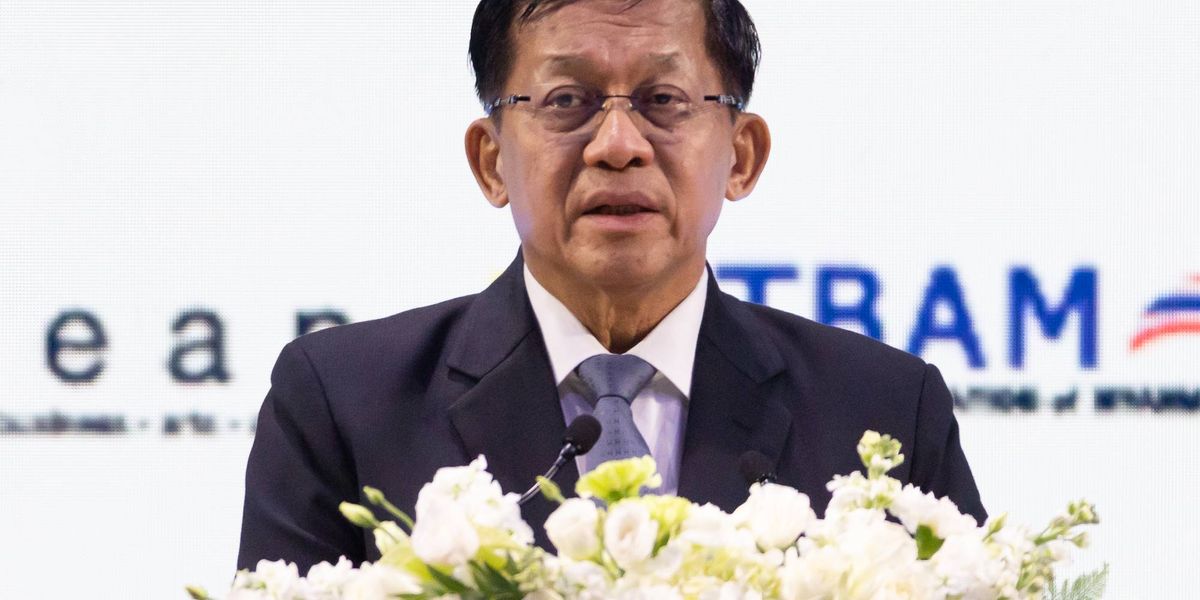
Myanmar’s military-backed authorities have rejected the ASEAN chair’s special envoy, saying the role is no longer necessary after widely criticised December–January elections.
The move directly challenges ASEAN’s effort to use the envoy as a channel between the military government and political actors, while Myanmar’s leaders remain excluded from high-level meetings for failing to implement the bloc’s Five-Point Consensus.
The dispute intensified after Min Aung Hlaing visited Thailand, whose foreign minister said Bangkok still sought peace through ASEAN’s framework.
ASEAN also renewed demands for the unconditional release of Aung San Suu Kyi and other political prisoners after an International Committee of the Red Cross official met her; Myanmar replied that her sentence had been reduced on humanitarian grounds and any release would follow domestic law.
This leaves the regional bloc with a contested mediation channel and no reported agreement on access to Suu Kyi.
Key facts:
Myanmar’s foreign ministry said ASEAN’s special envoy was no longer necessary after December–January elections.
A military-backed party won elections widely criticised for lacking meaningful opposition.
Min Aung Hlaing became president after leading the military-backed government.
ASEAN renewed calls for Suu Kyi’s unconditional release and access for its Philippine envoy.
Myanmar’s military-backed parliament rejected the ASEAN plan in a July resolution.
Why it matters: By declaring the envoy unnecessary and tying Suu Kyi’s release to domestic law, Myanmar’s authorities narrow ASEAN’s formal leverage and reject the bloc’s preferred mediation channel.
ASEAN retains its Five-Point Consensus, but these reports show no implementation breakthrough, access for its envoy to Suu Kyi, or unconditional release of political prisoners.
Thailand’s outreach could give Bangkok a channel to press Myanmar’s military leadership, but engagement may also be seen as legitimising a controversial government.
The articles do not report a new NUG policy, Rohingya citizenship decision, repatriation arrangement, or humanitarian-access agreement; the immediate development is a worsening dispute over who can mediate Myanmar’s conflict.
3. Rohingya Report Detentions and Extortion in Junta-Controlled Rakhine
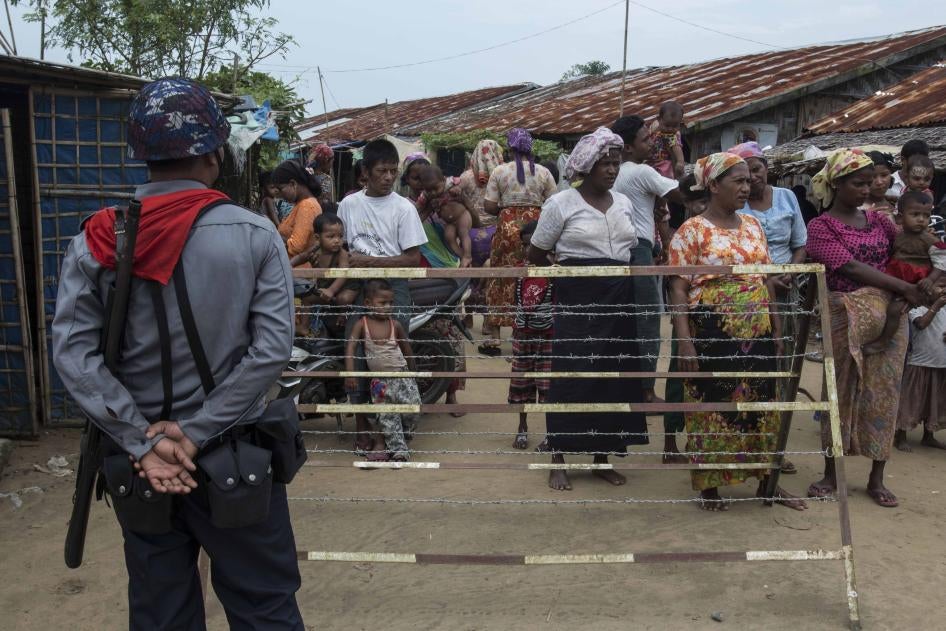
Rohingya residents in Sittwe Township, Rakhine State, report that police, military, intelligence and border-security personnel have carried out arbitrary arrests and secret detentions without clear explanations or formal charges.
Families say some detainees were taken to military or intelligence facilities, making their whereabouts and legal status difficult to establish.
Residents also allege that officials demanded money for relatives’ release, sometimes tying arrests to suspected human trafficking or links to the Arakan Army without sufficient evidence.
Other people were reportedly detained because their names matched security watchlists, while families were denied information and legal assistance; the allegations deepen longstanding restrictions on Rohingya movement, education, healthcare and employment.
The article gives no detainee total and does not report independent verification of these allegations.
Key facts:
Residents in Sittwe Township reported arrests by police, military, intelligence and border-security personnel.
Families said some detainees were taken to military or intelligence facilities.
Residents alleged officials demanded money to release detained relatives.
Some arrests reportedly followed names appearing on security watchlists.
Why it matters: Secret detention and alleged extortion leave Rohingya families unable to establish relatives’ whereabouts, challenge arrests or obtain legal assistance.
The reported practices add insecurity to a community already facing restrictions on movement, education, healthcare and employment. The immediate issue to watch is whether detainees receive formal charges, access to lawyers and contact with relatives.
Independent verification of the allegations and any response from authorities would clarify the scale and accountability of the reported abuses.
4. Myanmar Offers to Repatriate 5,000 Malaysia-Identified Refugees by Ship
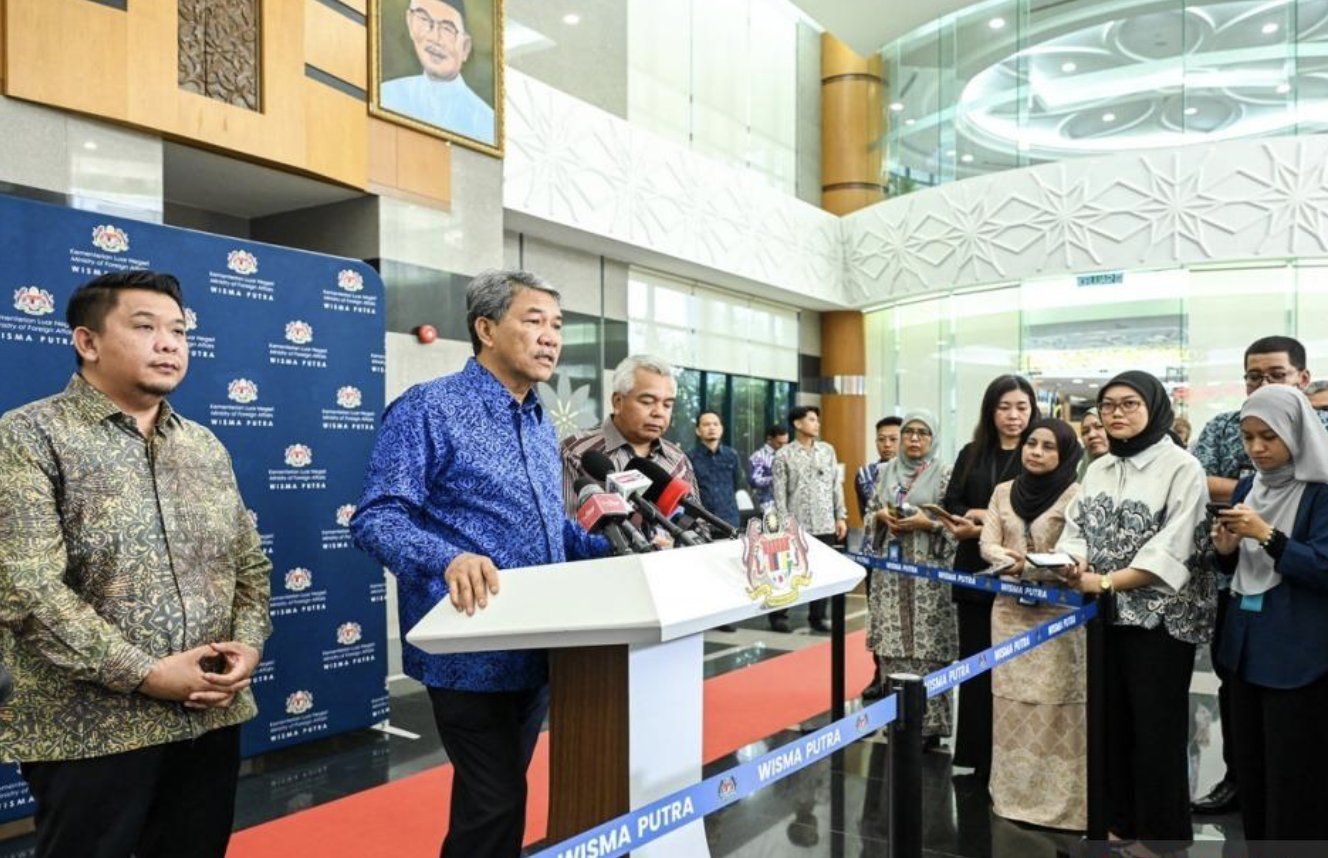
Myanmar has offered to take back 5,000 refugees identified by Malaysia, potentially transporting them by ship, but no timetable has been set.
Foreign Minister Mohamad Hasan said Malaysia’s Home Ministry is examining the proposal and Wisma Putra will facilitate bilateral discussions; screening must be completed first.
Safety is the central unresolved issue: Malaysia wants assurances about what will happen after return, warning people could flee again without security inside Myanmar.
Mohamad said the group should be described as Myanmar refugees rather than only Rohingya, because it includes several ethnic communities, including Chin and Karen.
He linked any broader solution to ASEAN’s Five-Point Consensus, saying changes must be decided by ASEAN leaders and that ending violence is necessary for returns from Malaysia and countries such as Bangladesh.
Key facts:
Myanmar offered to repatriate 5,000 refugees identified by Malaysia, potentially transporting them by ship.
No repatriation timetable exists; screening must be completed before the process proceeds.
The group is not limited to Rohingya refugees and includes Chin and Karen communities.
Malaysia’s Home Ministry is examining the proposal, while Wisma Putra will facilitate bilateral discussions.
Malaysia wants ASEAN’s Five-Point Consensus to remain central to Myanmar diplomacy.
Why it matters: The announcement creates a possible repatriation track, but not a confirmed return operation.
For the 5,000 people, safety, screening and post-return conditions remain decisive; Malaysia’s warning is that returns without security inside Myanmar could lead to renewed flight.
Diplomatically, the proposal is being handled alongside Malaysia’s call for ASEAN collective responsibility and continued reliance on the Five-Point Consensus.
The next developments to watch are screening, concrete safety arrangements, a timetable and whether ASEAN leaders consider changes to the consensus.
5. Government-reported Suu Kyi meeting lacks details in supplied article

The supplied Reuters item, republished by The Lufkin Daily News on August 10, 2026, carries the headline “Myanmar’s Aung San Suu Kyi meets Red Cross official, government says.
” However, the readable page contains site navigation and no article body confirming the meeting, identifying the Red Cross official, or describing what was discussed.
It also provides no information about Suu Kyi’s location, condition, or ability to communicate.
That leaves no verifiable evidence here about the National Unity Government, Rohingya rights, Rakhine State, Bangladesh, Cox’s Bazar, humanitarian access, or repatriation.
The report can therefore be logged only as an unelaborated government claim, not as evidence of a policy change, humanitarian agreement, or new diplomatic channel. No independent response or follow-up is provided.
Source: http://lufkindailynews. com/news_reuters/top_news/myanmars-aung-san-suu-kyi-meets-red-cross-official-government-says/image_06aec3eb-ca75-5042-bff4-e42925f3bcfc.
html
Key facts:
The page is dated August 10, 2026.
Its headline reports a government claim that Aung San Suu Kyi met a Red Cross official.
The readable text contains no article body or meeting details.
No NUG or Rohingya-related development is described.
Why it matters: Without the article body, the meeting cannot be linked reliably to humanitarian access, detainee welfare, Rohingya policy, or negotiations involving Myanmar’s conflict actors.
Treating the headline as evidence of a substantive Red Cross intervention or political opening would go beyond the supplied reporting.
The immediate priority is verification: the official statement, the identity and mandate of the Red Cross representative, the meeting’s date and location, and any confirmed outcome.
Until those details emerge, this item supports monitoring rather than a conclusion about Myanmar’s political or humanitarian trajectory.
6. U.S. Judge Clears End of TPS for Nearly 4,000 Myanmar Nationals
A U.S. federal judge rejected last-minute efforts by immigrant-rights advocates to preserve temporary protected status (TPS) for nearly 4,000 Myanmar nationals.
The ruling clears a legal obstacle to the Trump administration’s plan to end those protections, but does not itself order deportations.
TPS was first granted to Myanmar nationals after the 2021 military coup and protects people from deportation while authorizing them to work.
The Department of Homeland Security revoked the designation in November, citing Myanmar’s planned elections and claimed progress in governance and stability; plaintiffs argue that conflict and military repression remain severe, with more than 3.5 million people displaced.
A June Supreme Court ruling limiting lower courts’ ability to block TPS terminations shaped the judge’s decision.
Key facts:
Judge Matthew Kennelly ruled in the Northern District of Illinois.
The decision affects nearly 4,000 Myanmar nationals holding TPS in the United States.
DHS revoked Myanmar’s TPS designation in November.
TPS was first granted after Myanmar’s 2021 military coup.
Myanmar’s civil war has displaced more than 3.5 million people.
Why it matters: The ruling removes the court-ordered barrier that had temporarily kept Myanmar TPS protections in place.
If the protections lapse, affected people lose both deportation safeguards and U.S. work authorization; some have lived in the country for years and have U.S.-citizen children, according to the article.
The central dispute remains unresolved: DHS points to Myanmar’s planned elections and claimed political progress, while plaintiffs say ongoing war and repression make return unsafe.
The next development to watch is whether further legal action delays implementation or whether the administration begins enforcing the termination.