Myanmar’s Junta Builds External Backing as Rohingya Return Risks Grow
Myanmar’s military authorities are deepening ties with Russia through senior-level diplomacy and a customs-technology contract while presenting the verification of roughly 309,000 Rohingya as a basis for possible returns. The central tension is whether repatriation plans— including Malaysia’s proposed return of 5,000 refugees—can proceed while fighting continues and citizenship, security, and basic-rights guarantees remain unresolved.
Monday, Aug 17, 2026
Tracking: NUG · Rohingya · Myanmar
Geography: Myanmar, Rakhine State, Bangladesh
1. Myanmar Verifies 309,000 Rohingya for Possible Return
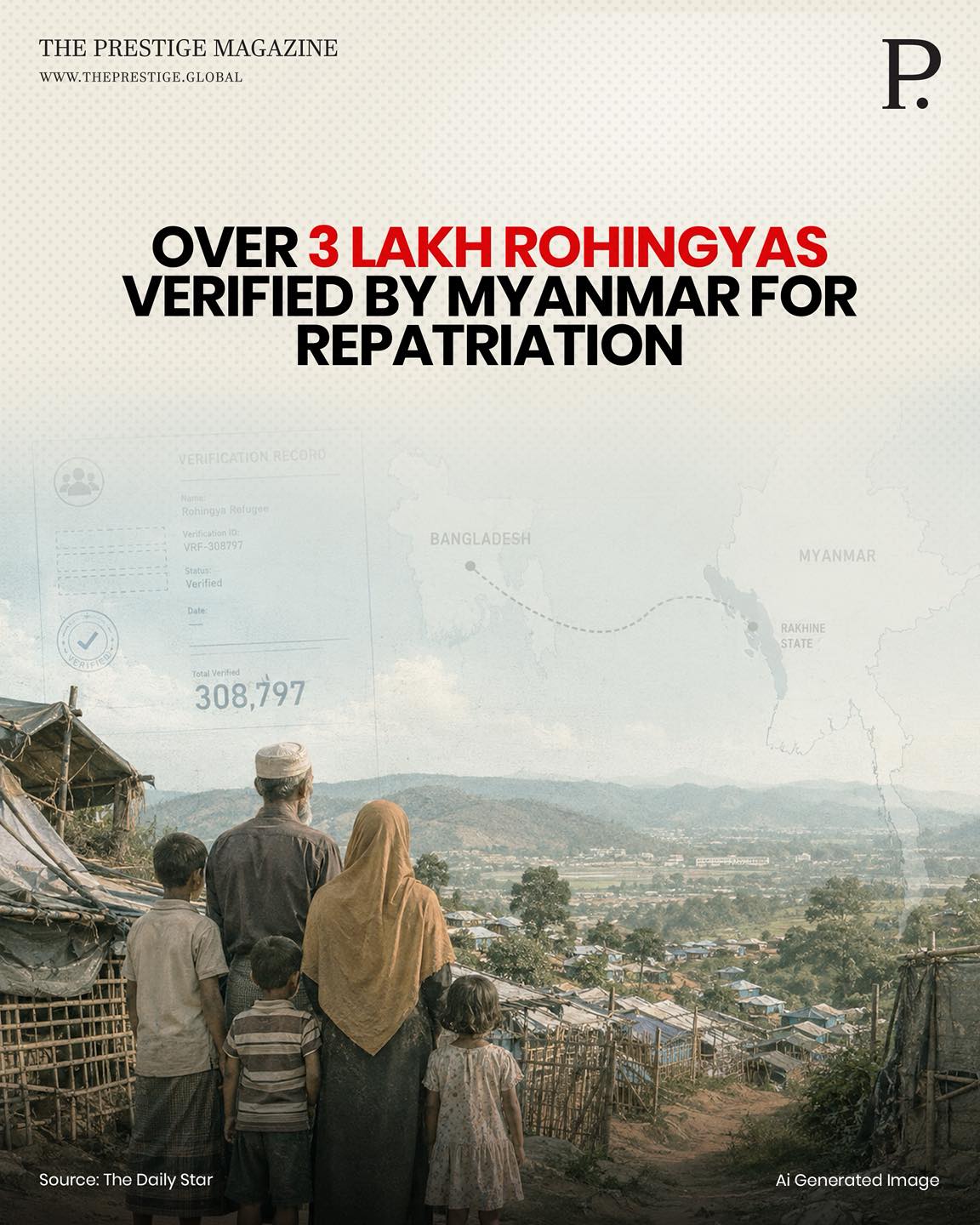
Myanmar’s military-backed government says it has verified roughly 309,000 Rohingya refugees in Bangladesh as former residents of Rakhine State and will accept them once security improves.
AP reports 308,797 verified former residents, while Yeni Safak English reports 308,975, exposing a small discrepancy between accounts.
The announcement comes as the crisis enters its ninth year after the 2017 military crackdown drove more than 700,000 Rohingya into Bangladesh.
Myanmar says 426,545 of Bangladesh’s 828,824-person list were verified, but 113,507 could not be verified and 4,241 were linked by authorities to what they called terrorist activities.
Return depends on improved security amid fighting between the military and Arakan Army, which controls much of Rakhine. Previous repatriation efforts failed, and refugees have demanded guarantees of citizenship and basic rights.
Key facts:
Myanmar processed Bangladesh’s list of 828,824 refugees through the end of July.
AP reports 308,797 verified former Rakhine residents; Yeni Safak English reports 308,975.
Myanmar said 113,507 people remained unverifiable and 4,241 were involved in alleged terrorist activities.
More than 700,000 Rohingya fled Myanmar after the military’s 2017 crackdown.
The Arakan Army and Myanmar’s military have fought over Rakhine since 2023.
Why it matters: The announcement gives Bangladesh a new diplomatic opening, but it is not a repatriation timetable. Myanmar ties return to improved security, while the Arakan Army controls much of Rakhine and fighting has already derailed earlier plans.
The core dispute also remains unresolved: Rohingya refugees want returns to be voluntary, safe and sustainable, with citizenship and basic rights guaranteed.
Myanmar’s continued distinction between verified former residents and recognized citizens leaves statelessness unaddressed. Conditions in Bangladesh’s camps, reduced aid and dangerous sea departures therefore remain immediate pressures.
The reports identify no role for the National Unity Government in this initiative.
2. Min Aung Hlaing Travels to Russia to Deepen Myanmar Ties
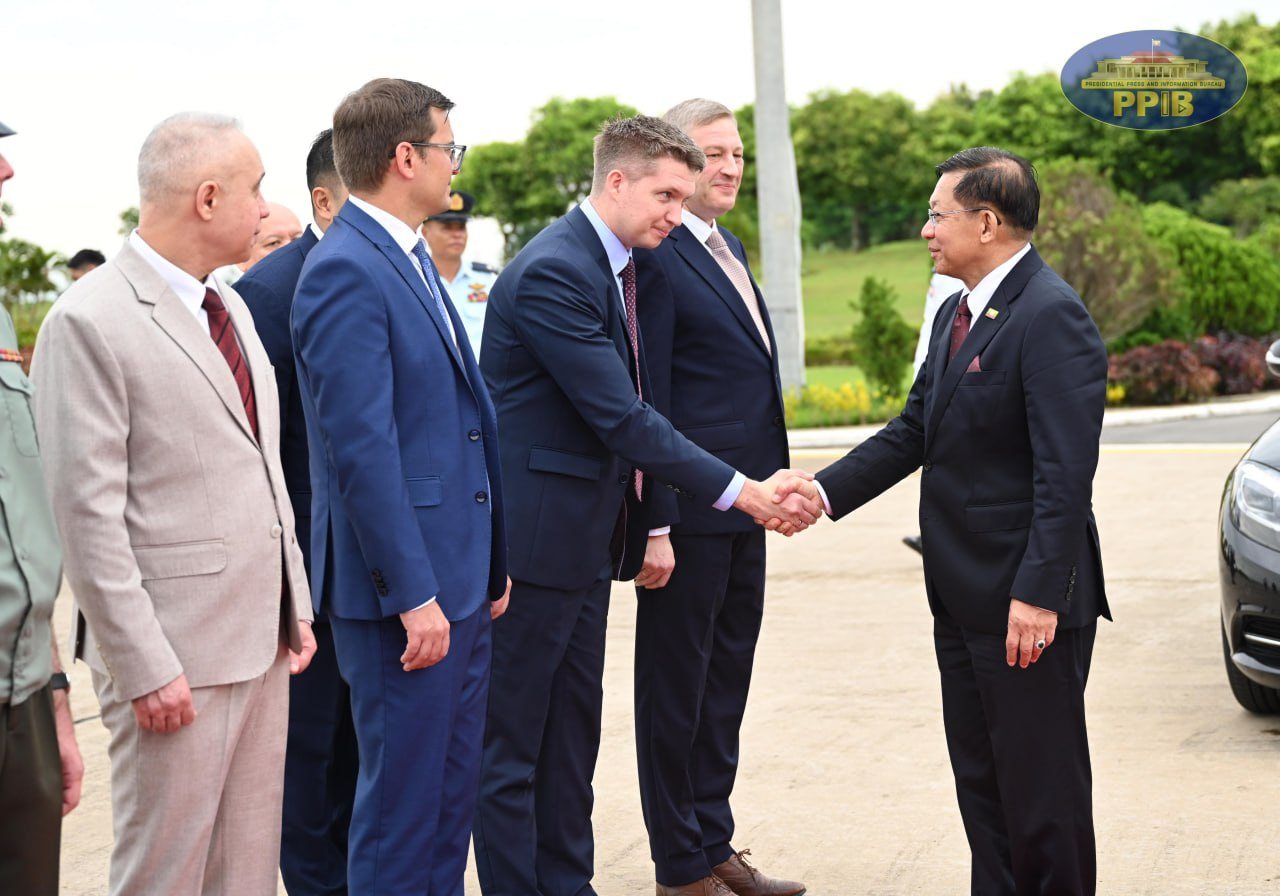
Min Aung Hlaing departed Naypyitaw on August 17 for Russia, where the Kremlin says he will meet Vladimir Putin on August 18. The planned talks will cover bilateral cooperation and international and regional issues, with documents expected to be signed.
Myanmar state media says the agenda includes economic, security and social affairs, and that Min Aung Hlaing will attend a Myanmar-Russia Business Forum.
ABC News reports this is his seventh Russia visit since the 2021 military takeover, while The Jerusalem Post notes it is his fifth foreign-country visit since becoming president in April.
Russia remains a major arms supplier and diplomatic backer of Myanmar’s military-backed government; ABC says Russian aircraft are used in attacks on ethnic-minority territory, including areas held by groups allied with pro-democracy resistance.
Western nations have sanctioned the authorities over the takeover and repression, while critics rejected the election preceding his inauguration as a sham.
Key facts:
Min Aung Hlaing left Naypyitaw on August 17 for an official Russian visit.
Putin is scheduled to meet him in the Kremlin on August 18; documents are expected.
Myanmar state media says discussions cover economic, security, social affairs, and bilateral ties.
ABC News describes Russia and China as major supporters and arms suppliers to Myanmar.
Russian fighter jets are used in attacks on ethnic-minority territory, ABC News reports.
Why it matters: The immediate gain for Myanmar’s military-backed authorities is high-level diplomatic access despite Western sanctions and continuing international isolation.
Moscow gains another opportunity to reinforce a strategic relationship that already includes arms supplies, military drills, and cooperation on nuclear power and space projects.
The reported visit is evidence of engagement, but not confirmation that Russia’s broader international recognition campaign has succeeded.
For the NUG and ethnic armed organizations, the security dimension is the key downstream concern: further cooperation could support the military’s capacity to attack territory held by ethnic and pro-democracy forces.
The supplied reports identify no new policy on Rohingya rights, citizenship, repatriation, refugee aid, or NUG diplomacy, so no direct change for the Rohingya community can be established.
The next indicators are the documents signed in Moscow, the business forum’s outcomes, and whether defense or energy cooperation is expanded.
3. Junta Signs Trade-Software Contract With Sanctioned Russian Tech Group
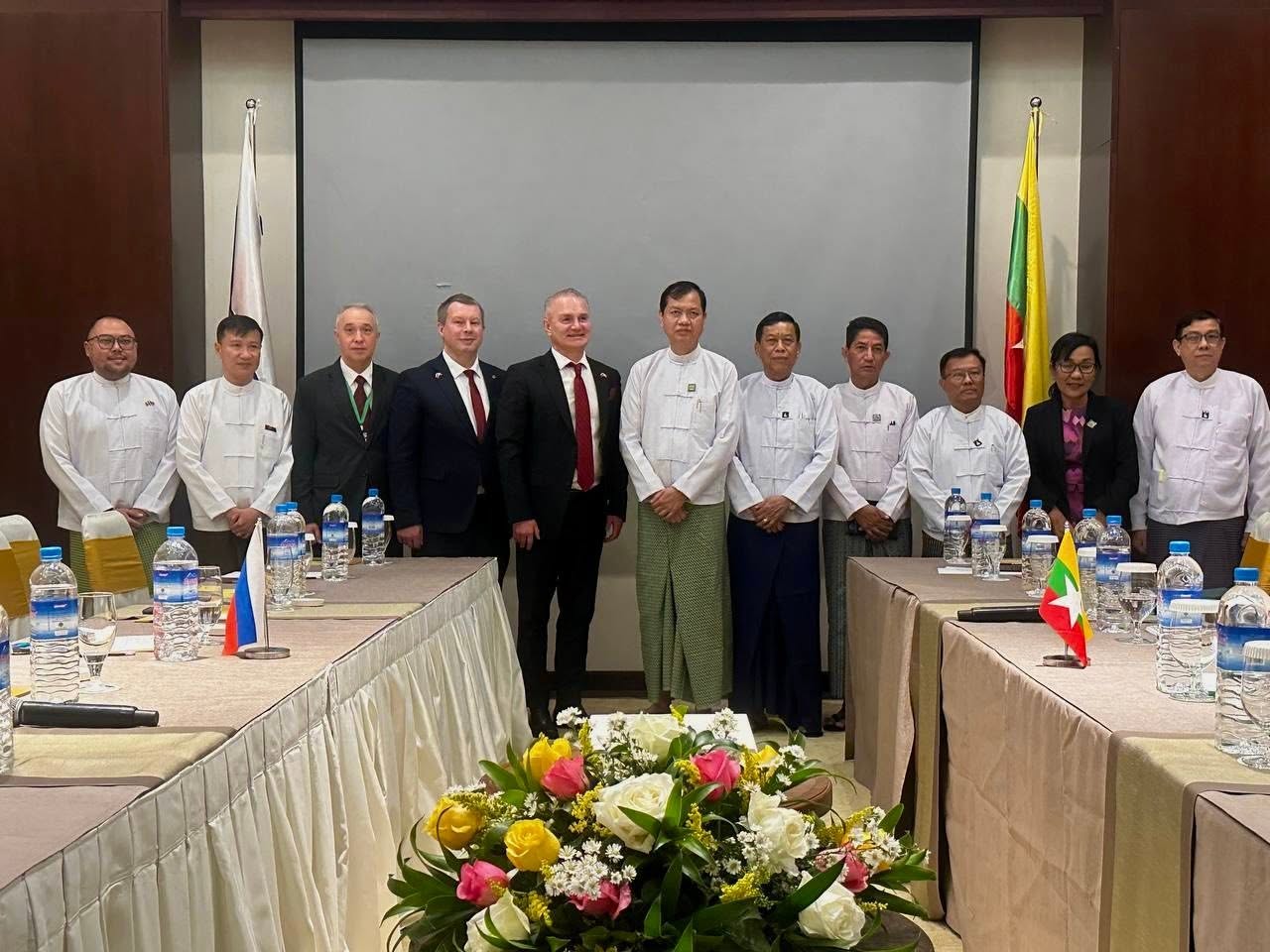
On August 12, representatives of Myanmar’s junta-controlled Customs Department and Astra Consulting LLC’s Myanmar branch signed a contract in Naypyitaw for the National Single Window Web Portal Project.
The system is intended to process import and export documentation, giving the Russian technology company a role in a core trade-administration function.
Myanmar Now describes Astra as a Russian technology company with links to Russia’s security agencies and identifies it as a sanctioned group.
The report does not provide the contract’s value, implementation timetable, applicable sanctions regime, or evidence that the portal is operational.
It also does not report any role for the National Unity Government, Rohingya representatives, or actors in Rakhine State.
Key facts:
Signing occurred in Naypyitaw on August 12.
Myanmar Customs Department represented the junta-controlled administration.
The project is named the National Single Window Web Portal Project.
Astra Consulting LLC’s Myanmar branch received the contract.
Astra is described as linked to Russia’s security agencies.
Why it matters: The immediate reported change is institutional: a junta-controlled department has selected a Russian vendor to build infrastructure for customs paperwork.
If delivered, such a portal could centralize how import and export documents move through the authorities, potentially strengthening the administration’s routine control over trade; the article does not establish whether it will improve processing or enforcement.
Selecting a vendor described as sanctioned and linked to security agencies creates compliance and reputational exposure for counterparties.
The next issues to watch are implementation, access to trade data, and any response from governments or companies applying sanctions.
The report offers no direct evidence connecting this contract to the NUG, Rohingya communities, or the conflict in Rakhine State. Source: Myanmar Now
4. Malaysia Plans to Repatriate 5,000 Rohingya Refugees to Myanmar

Malaysia is planning to repatriate roughly 5,000 Rohingya refugees to Myanmar after the country’s military junta said it would accept them, according to the U.S. Commission on International Religious Freedom.
On Thursday, the bipartisan commission urged Malaysian authorities to reverse course and asked the U.S. State Department to intervene, arguing that return would send the mostly Muslim refugees into an active war zone and back under a government that persecuted them.
The warning comes as the commission described conditions in Myanmar as worsening: the Tatmadaw continues airstrikes on civilian areas and violates religious freedom.
Malaysia, which the commission says hosts roughly 126,000 Rohingya refugees, is also becoming more hostile; police recently detained more than 100 refugees who gathered at a United Nations office after locals drove them from temporary homes in Penang.
The article does not report a completed repatriation or a response from Malaysia’s government.
Key facts:
Malaysia plans to repatriate roughly 5,000 Rohingya refugees to Myanmar.
Myanmar’s military junta said it would accept the mostly Muslim group.
USCIRF urged Malaysia to reconsider and requested U.S. State Department intervention.
Malaysia hosts roughly 126,000 Rohingya refugees, according to the commission.
Police detained more than 100 refugees after a UN office gathering.
Why it matters: If implemented, the plan would move refugees away from Malaysia amid rising hostility but place them under the authority of Myanmar’s military, which the commission says persecuted them and continues attacking civilian areas.
The central protection question is therefore unresolved: official acceptance by the junta does not establish that return would be safe.
The immediate developments to watch are whether Malaysia proceeds, whether U.S. diplomatic pressure changes the decision, and whether conditions for Rohingya refugees in Malaysia continue to deteriorate.
The article provides no indication of a role for Myanmar’s National Unity Government or other actors in the proposed transfer.