Arakan Army reports 33 dead in Kyauktaw airstrike; Rohingya youth leader demands a role in future decisions
The developments highlight both the immediate civilian cost of Myanmar’s war and the longer struggle over who can decide the Rohingya’s future. Watch for a revised Kyauktaw toll and military response, alongside whether any return or other decisions include Rohingya participation, rights and accountability.
Monday, Sep 28, 2026
Tracking: NUG · Rohingya · Myanmar
Geography: Myanmar, Rakhine State, Sittwe, Maungdaw, Bangladesh, Cox's Bazar
Airstrike on Rakhine market kills 33, Arakan Army says

An airstrike on a market and adjacent bridge in Kyauktaw, Rakhine State, killed 33 people and wounded 36 on September 28, according to the Arakan Army (AA), the rebel faction controlling the area.
The AA warned that the toll could rise; an anonymous witness told AFP they saw more than 30 bodies among smouldering wreckage and cratered roads. The reports identify the Myanmar military as responsible, but the military could not be reached for comment.
The strike occurred amid what AFP described as some of the direst conditions of Myanmar’s civil war, which followed the 2021 coup.
The immediate consequence is a major civilian casualty event in territory contested by the military and AA; the next developments to watch are a revised toll, further damage reporting, and any military response.
Key facts:
The strike hit Kyauktaw’s market and adjacent bridge around midday on September 28.
The Arakan Army reported 33 deaths and 36 injuries.
The Arakan Army warned the death toll could continue increasing.
A witness saw more than 30 bodies amid smouldering wreckage and cratered roads.
The Myanmar military could not be reached for comment.
Why it matters: The immediate losers are civilians in a town controlled by the Arakan Army, where the strike produced a substantial death toll and widespread physical damage.
The competing military and rebel positions also leave responsibility and the final casualty count politically contested.
AFP describes Rakhine as facing some of the civil war’s direst conditions, so a rising toll would further underscore the security risks facing residents.
The key indicators now are whether casualty figures increase, whether additional damage is documented, and whether the military offers a public account.
Rohingya youth leader demands a role in decisions on their future
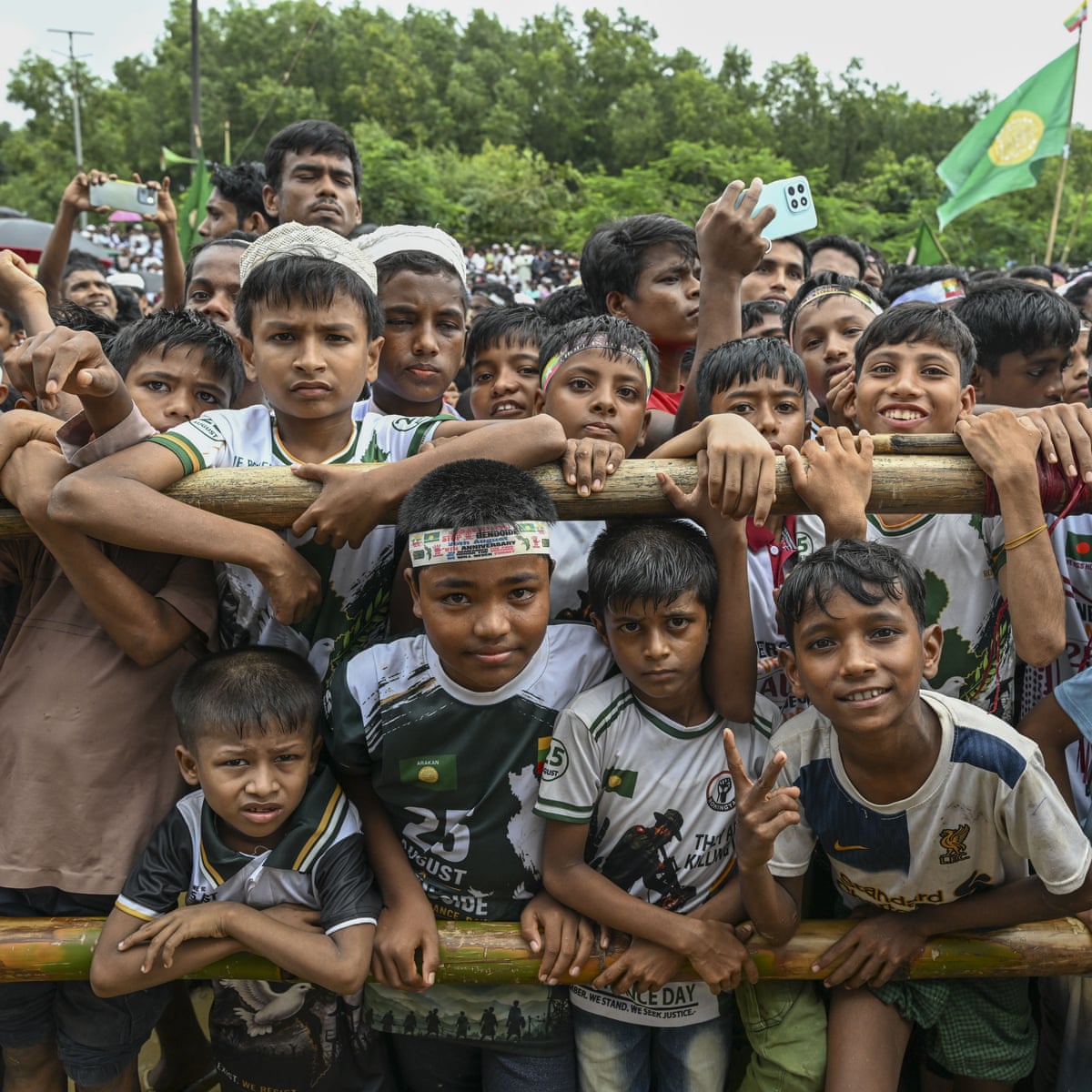
In a Guardian essay published on 28 September, Rohingya youth leader Ajas Khan marked nine years since he fled Maungdaw township for Bangladesh, urging Rohingya representatives to help decide their future.
Khan describes a generation raised in Cox’s Bazar camps, where humanitarian aid and Bangladesh’s protection have kept people alive but have not replaced citizenship, freedom or a permanent home.
He says return across the Naf River would be meaningful only with full human rights, including citizenship, security, equality, restored land and livelihoods, healthcare, and education.
Khan also calls for accountability for perpetrators of crimes against the Rohingya, whether state or non-state actors, and warns that decisions by Bangladesh, Myanmar or the Arakan Army must not be made without Rohingya participation.
He argues that time should not become an excuse for impunity.
Key facts:
Ajas Khan fled Maungdaw township at age 13 and crossed the Naf River into Bangladesh.
Rohingya refugees have spent nine years in camps in Cox’s Bazar.
Khan rejects repatriation without citizenship, security, equality, land, livelihoods, healthcare and education.
He says Rohingya representatives must participate in decisions involving Bangladesh, Myanmar and the Arakan Army.
Bangladesh is hosting more than one million Rohingya refugees, Khan writes.
Why it matters: Khan’s appeal puts political agency alongside safe return as the central Rohingya demand. Repatriation negotiated without Rohingya representatives could produce a return without the citizenship, security and equal rights he identifies as essential.
The intervention also raises the accountability stakes for any future settlement.
Khan argues that perpetrators must face justice regardless of whether they are state or non-state actors, while Bangladesh, Myanmar and the Arakan Army face pressure to include Rohingya representatives in decisions affecting displacement and return.