Hantavirus reaches France, Ukraine, Venezuela; cruise evacuation ends
Three separate hantavirus fronts have emerged: a French cruise passenger’s confirmed Andes Hantavirus infection on French soil, Ukraine’s first travel-linked case of hemorrhagic fever with renal syndrome, and a family cluster of three deaths in rural Venezuela. While the MV Hondius outbreak is nearing its end with 94 evacuated and no wider public threat, these geographically dispersed cases—none linked via sustained person-to-person transmission—underscore the virus’s varied zoonotic routes and the need for targeted surveillance in both travel corridors and endemic areas.
Thursday, Jul 23, 2026
Tracking: hantavirus
1. French traveler tests positive for Andes Hantavirus after cruise
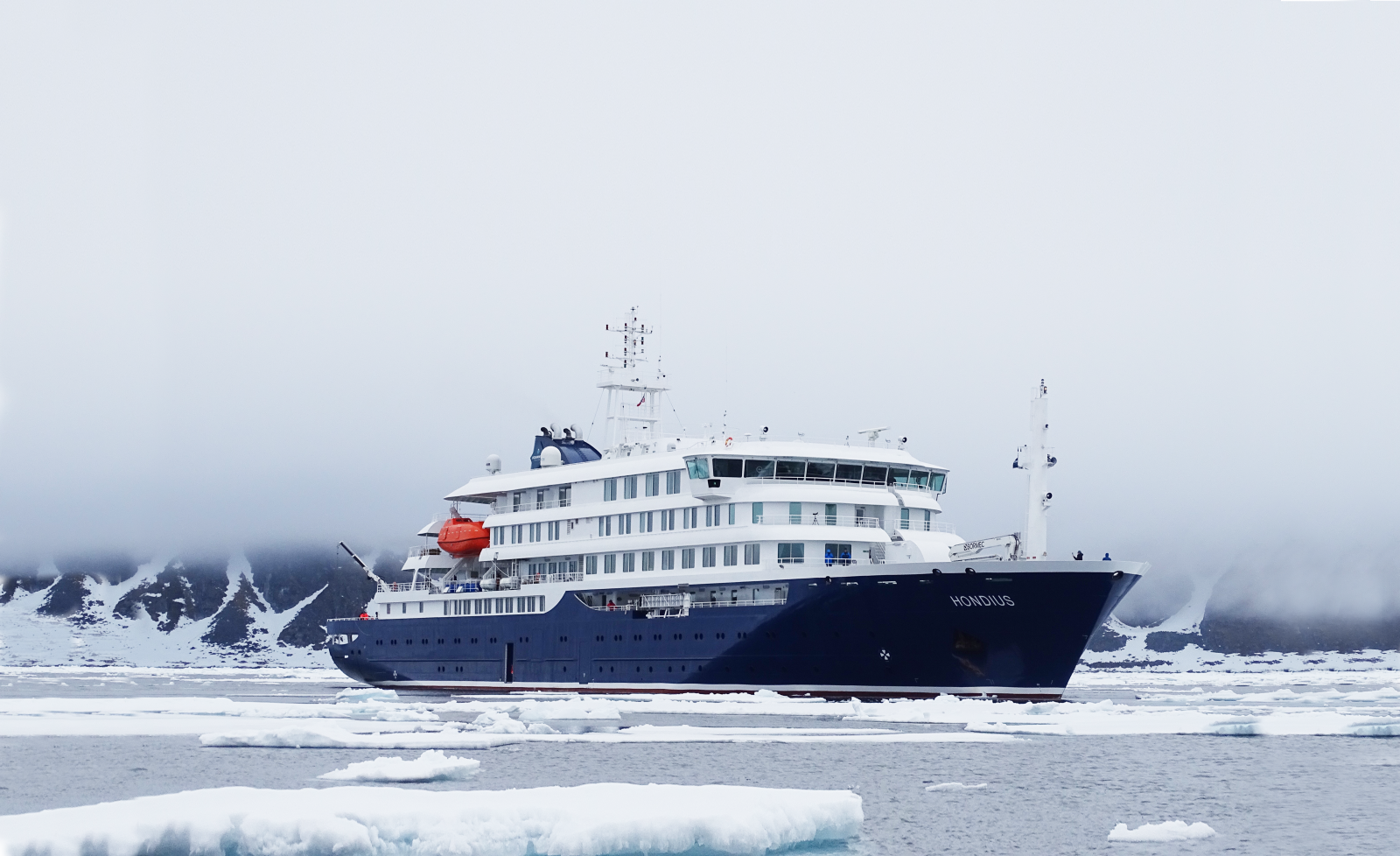
A French woman who was aboard the Hantavirus-hit cruise ship MV Hondius tested positive for the Andes Hantavirus after being repatriated to France.
French Health Minister Stephanie Rist confirmed the case on May 11, 2026, noting the woman developed symptoms during the medical evacuation flight and was transferred to a specialized infectious disease hospital.
The woman is one of five French nationals evacuated from the ship; all five were placed under strict isolation upon arrival in France yesterday. French authorities have identified 22 close contacts of Hantavirus cases in France and ordered them to isolate.
The World Health Organization describes hantaviruses as zoonotic, transmitted from rodents to humans.
This case marks the first confirmed infection linked to the MV Hondius outbreak reaching French soil, escalating public health monitoring and containment efforts.
Key facts:
French woman tested positive for Andes Hantavirus on May 11, 2026.
She was among five French nationals evacuated from cruise ship MV Hondius.
Symptoms developed during the repatriation flight to France.
22 close contacts in France have been ordered to isolate.
French Health Minister Stephanie Rist confirmed the case.
Why it matters: This case confirms that the hantavirus outbreak on the MV Hondius has crossed international borders, directly exposing a European country.
The rapid identification and isolation of 22 contacts in France indicates a proactive containment strategy, but the virus's ability to spread during air travel raises risks for other countries with returnees.
Watch for further testing results of the four other evacuated French passengers and potential secondary cases among contacts.
2. Two test positive as cruise ship evacuation nears end
Two people have tested positive for hantavirus after being evacuated from the MV Hondius, the luxury cruise ship hit by a deadly outbreak.
French Health Minister Stephanie Rist reported that a French passenger's condition is deteriorating, while the U.S. Department of Health and Human Services confirmed one American tested mildly positive for the Andes strain and another showed mild symptoms.
The final 24 passengers are set to be evacuated from the ship, now anchored near Tenerife, Spain, on Monday afternoon. The operation caps a complex effort that has evacuated 94 people over 41 days since the voyage began.
Three people have died: a Dutch couple and a German national. The ship will then sail to the Netherlands for disinfection, with approximately 30 crew remaining aboard.
Health officials stress the virus is far less contagious than COVID-19 and poses little risk to the general public.
Key facts:
Two people tested positive for hantavirus after evacuation from the MV Hondius.
Three people have died in the outbreak: a Dutch couple and a German national.
94 passengers evacuated so far; 24 remain on the ship near Tenerife.
WHO recommended a 42-day quarantine for all passengers from May 10.
Why it matters: This outbreak tests international quarantine protocols for a virus capable of rare person-to-person transmission, especially after COVID-19. The Spanish government coordinated the evacuation, setting a precedent for managing such incidents.
The ship's final voyage to the Netherlands for disinfection and the repatriation of passengers will be closely watched for any further cases. Health authorities’ emphasis that this is not COVID may shape public messaging for future novel pathogen responses.
3. Venezuela confirms 3 hantavirus deaths in Anzoátegui state
Venezuelan health authorities confirmed three hantavirus deaths in the eastern state of Anzoátegui on Tuesday, all from the same family in a rural area. Two additional deaths in the western state of Barinas are under investigation.
Medical teams have been deployed for surveillance and contact tracing, but officials say there is no evidence of sustained person-to-person transmission.
Hantavirus, which causes Hantavirus Pulmonary Syndrome, is carried by rodents and typically inhaled from contaminated droppings. There is no specific antiviral treatment or approved vaccine.
The outbreak follows a recent WHO-declared Andes hantavirus outbreak linked to the cruise ship MV Hondius, which was contained after three deaths.
Key facts:
Three family members died from hantavirus in Anzoátegui, Venezuela.
Two additional deaths in Barinas are under investigation.
No evidence of sustained human-to-human transmission, say authorities.
Medical teams deployed for surveillance and source investigation.
No specific antiviral treatment or vaccine exists for hantavirus.
Why it matters: The deaths highlight ongoing risks of zoonotic spillover in rural Latin America, where rodent exposure is common. While the cases appear isolated, the high fatality rate of Hantavirus Pulmonary Syndrome demands rapid response.
The lack of treatment options underscores the importance of vector control and public health surveillance. The proximity to the previous cruise ship outbreak may prompt stricter travel and health monitoring in the region.
4. Hantavirus confirmed in Lviv region man after Croatia trip

A 53-year-old resident of Stryi, Ukraine, has been laboratory-confirmed with hantavirus, causing hemorrhagic fever with renal syndrome, as reported by the Lviv Regional Center for Disease Control on July 23.
The man fell ill on July 12 with fever, chills, and muscle pain, and was hospitalized on July 15.
Epidemiological investigation shows he vacationed in Croatia (July 1–7) and traveled through Ivano-Frankivsk region on July 11, where he washed his hands in a river. He denies any contact with rodents.
The exact infection source remains unknown, and anti-epidemic measures are underway at his residence.
Key facts:
Hantavirus RNA was detected in blood serum via PCR.
Illness began July 12 with 38.6°C fever, chills, headache, nausea, and calf muscle pain.
Patient traveled to Croatia's Makarska Riviera from July 1 to 7.
He washed hands in the Kamianka River in Stryi district on July 11.
Patient denies contact with rodents, their nests, or contaminated food or water.
Why it matters: This isolated case in western Ukraine, linked to travel in Croatia and domestic mountain regions, signals potential geographic expansion of hantavirus exposure risk.
Health authorities must reinforce surveillance at entry points and in rural areas, as the incubation period and silent transmission routes complicate containment.
The patient's denial of rodent contact underscores the challenge in identifying infection pathways, demanding broader environmental testing.