Hantavirus kills 3 in Venezuela; cruise outbreak closed
The brief emphasizes hantavirus's dual transmission pathways—rodent-borne outbreaks in rural Venezuela and the rare person-to-person Andes strain on a cruise ship—both resulting in fatalities. The concurrent events underscore persistent surveillance gaps and the need for preparedness, as a JAMA Neurology review highlights severe neurologic risks with no approved treatments, while the U.S. quarantine response tests infrastructure amid ongoing zoonotic and travel-related threats.
Tuesday, Jul 21, 2026
Tracking: hantavirus
Geography: Southwestern United States, Four Corners region, Patagonia, China, Europe (e.g., Scandinavia, Balkans), Korea
1. Hantavirus review reveals severe neurologic risks after cruise ship outbreak
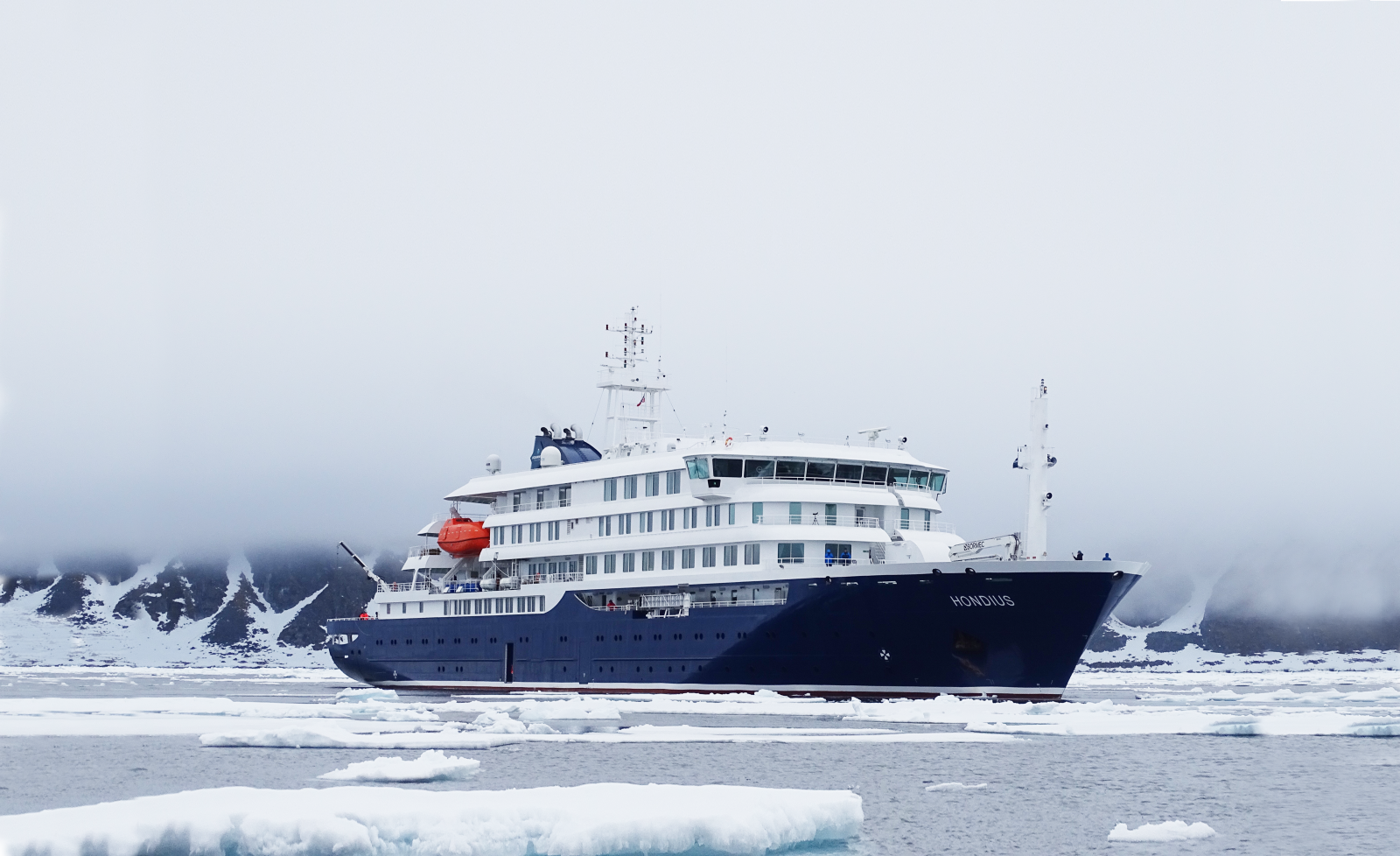
A review in JAMA Neurology, prompted by an Andes hantavirus outbreak on a cruise ship that infected 11 and killed 3 earlier this year, highlights the often-overlooked neurologic complications of hantavirus infection.
Brain and nerve involvement is uncommon but can be severe, requiring acute and long-term care. For hantavirus pulmonary syndrome (HPS), which has a 35%–50% mortality rate, neurologic issues are typically secondary to critical illness.
Hemorrhagic fever with renal syndrome (HFRS) is more directly associated with neurologic problems: a study of 811 Puumala patients found 97% had headaches, 40% blurred vision, and 31% vomiting.
Long-term consequences include persistent hypertension and chronic kidney disease. No FDA-approved treatments or vaccines exist, though several drugs are in early trials.
Key facts:
Andes hantavirus infected 11 on a cruise ship, killing 3.
HPS mortality rate is 35% to 50%.
97% of Puumala HFRS patients experienced headaches.
No FDA-approved antivirals or vaccines for hantavirus.
78% of Puumala patients had persistent hypertension after 20 years.
Why it matters: The review underscores that hantavirus patients may need neurological monitoring long after recovery, especially for HFRS. The lack of approved treatments and vaccines leaves clinicians with few options.
Underreporting in rural settings means true neurologic burden is likely higher. Destigmatizing patients while enforcing isolation remains a public health challenge.
2. Three die from hantavirus in Venezuela; CDC closes cruise ship response
Venezuela’s health ministry confirmed three deaths from hantavirus in Anzoategui state, with two additional deaths of health professionals in Barinas still under investigation.
Officials emphasized that the virus is transmitted by rodents in rural areas and that no human-to-human spread has been observed in the country.
Meanwhile, the U.S. Centers for Disease Control and Prevention ended its response to a separate hantavirus outbreak linked to a cruise ship, which killed three people two months ago.
That outbreak involved the Andes virus, the only known hantavirus strain capable of human-to-human transmission through prolonged contact.
The concurrent events highlight the virus’s dual transmission pathways—rodent-borne and, rarely, person-to-person—and underscore the need for continued surveillance in both rural and travel-related settings.
Key facts:
Three confirmed hantavirus deaths in Venezuela’s Anzoategui state.
Two other deaths of health professionals in Barinas are under investigation.
Health ministry says no evidence of human-to-human transmission in Venezuela.
CDC ended its response to a cruise-ship hantavirus outbreak that killed three.
The Andes virus strain involved in the cruise outbreak can spread person-to-person.
Why it matters: The Venezuela fatalities are a reminder that basic rodent exposure remains the primary hantavirus risk worldwide, while the separate cruise-ship outbreak of Andes virus shows that rare human-to-human transmission requires targeted containment.
Public health agencies must maintain different protocols for each pathway—rodent control in rural areas and strict isolation for Andes virus cases—and the contrast between Venezuela’s isolated deaths and the CDC’s closed investigation suggests the virus is not spiking globally, but vigilance is warranted wherever rodent populations fluctuate.
3. U.S. cruise passengers monitored in Nebraska after hantavirus outbreak

In May, U.S. passengers exposed to a hantavirus outbreak on an international cruise ship were transported to the National Quarantine Unit at Nebraska Medicine in Omaha.
The unit, the only federally funded quarantine facility in the country, monitored Americans exposed to the Andes hantavirus strain, the only known hantavirus capable of person-to-person transmission.
Dr. Angela Hewlett, medical director of the Nebraska Biocontainment Unit, described the response as a real-world test of America's infectious disease preparedness infrastructure, drawing on lessons from Ebola response efforts.
Key facts:
U.S. cruise passengers monitored in Omaha in May 2025.
National Quarantine Unit is the only federally funded U.S. quarantine facility.
Exposed to Andes hantavirus, the only strain with person-to-person transmission.
Nebraska Medicine teams trained for decades with federal and state partners.
Why it matters: The event validates the specialized role of the National Quarantine Unit in containing high-consequence pathogens, especially a hantavirus strain that spreads between humans—a departure from typical rodent-borne transmission.
For hospitals nationwide, the response underscores the need for scalable isolation protocols and trained staff, as emerging zoonotic threats may move beyond traditional geographic boundaries via international travel.
Future cruise ship or travel-linked outbreaks will likely trigger similar federal quarantine measures.
4. Venezuela reports 3 hantavirus deaths; cruise outbreak closed
Venezuela confirmed three hantavirus deaths in Anzoategui state, with two additional health worker deaths in Barinas under separate investigation.
The health ministry called the events “specific” and stated there is no evidence of person-to-person transmission.
Separately, the U.S. CDC closed its response to a hantavirus outbreak on the MV Hondius cruise ship, where three people died and 13 were infected with the rare Andes virus.
The ship was cleared for operation after no new cases since May, according to Dutch public health authorities.
Both outbreaks underscore ongoing zoonotic transmission risks from rodents to humans, with the cruise ship incident being a rare instance of Andes virus spread in a confined setting.
Key facts:
Three hantavirus deaths confirmed in Venezuela's Anzoategui state.
Two health professionals in Barinas died under investigation, not linked to Anzoategui.
CDC ended response to cruise ship outbreak: 3 dead, 13 infected with Andes virus.
No new hantavirus cases linked to MV Hondius since May.
Dutch health service cleared the ship for operation on May 29.
Why it matters: These parallel events highlight hantavirus as a persistent but often geographically isolated threat.
Venezuela's cases may strain local health resources, while the cruise ship incident shows that even rare strains like Andes virus can cause outbreaks in mobile populations.
The CDC's closure of the cruise response offers a template for containment but also raises questions about surveillance on international vessels. Climate change and rodent population shifts could increase spillover risk in both South America and beyond.
5. Cruise ship oncologist details Andes hantavirus outbreak that killed 3

Dr. Stephen Kornfeld, a semi-retired Bend oncologist and top birder, was aboard the Dutch cruise ship MV Hondius in April 2026 when an Andes hantavirus outbreak occurred. The virus, which spreads person-to-person, infected 12 people and killed 3.
Kornfeld, who had no protective gear initially, found 2,000 masks and 10 N95s on the ship. He used supportive care after consulting WHO literature on hantavirus.
The outbreak went unrecognized for weeks because the first victim died off the ship, allowing the cruise to continue.
Kornfeld was held in federal quarantine for 42 days, including 21 days in a soundproof room in Nebraska, which he described as extreme government overreach. He is now speaking publicly about the ordeal, including at a July 30 event in Bend.
The incident highlights the risks of person-to-person transmission of a virus typically spread by rodents, and the challenges of managing outbreaks on isolated cruise ships.
Key facts:
Outbreak began April 1, 2026 on the MV Hondius in the South Atlantic.
12 people infected, 3 died from Andes hantavirus (30% fatality rate).
Dr. Stephen Kornfeld, a 69-year-old oncologist, assisted sick passengers.
Kornfeld was quarantined for 42 days, including 21 days in a soundproof room in Nebraska.
He found 2,000 masks but only 10 N95s on the ship.
Why it matters: This outbreak demonstrates that Andes hantavirus can spread person-to-person in confined settings like cruise ships, challenging the common assumption that hantaviruses are strictly rodent-borne.
The quarantine response – including forced isolation in a soundproof room – raises questions about balancing public health measures with civil liberties.
Travel and cruise industries should reassess protocols for rare but deadly pathogens, while researchers may need to accelerate vaccine and treatment development for hantaviruses.