Hantavirus cruise outbreak: US quarantine, NJ exposures, deaths
Multiple hantavirus incidents—a deadly cruise ship cluster with three deaths and quarantined passengers in Spain and the US, plus separate US exposures in New Jersey and among 12 unnamed passengers—have triggered parallel public health responses. The emergence of person-to-person transmission in the Andes strain raises containment stakes, as demonstrated by Nebraska’s quarantine unit activation. Readers should note the rare but severe respiratory illness spreading in confined settings, with no confirmed symptoms yet among most monitored individuals.
Monday, Jul 20, 2026
Tracking: hantavirus
1.12 U.S. passengers quarantined, 2 N.J. residents possibly exposed to hantavirus
In the past 24 hours, two separate hantavirus incidents have emerged in the U.S. A dozen American passengers from an unspecified ship are now in quarantine after potential exposure to the virus, according to a PIX11 report.
Separately, the New Jersey health department announced that two state residents may have been exposed to hantavirus and are being monitored. Neither article provides details on the source of exposure or whether any individuals have developed symptoms.
The back-to-back notifications underscore the heightened surveillance for this rare but often severe respiratory illness.
Key facts:
A dozen American passengers from a ship are in quarantine for hantavirus exposure.
Two New Jersey residents are being monitored for possible hantavirus exposure.
Both incidents were reported by health authorities within the last day.
Why it matters: These two unrelated events signal a possible uptick in hantavirus detection or heightened reporting vigilance.
While human-to-human transmission of hantavirus is extremely rare, clusters of exposure—especially involving travelers—warrant close monitoring by public health agencies.
The quarantine of 12 passengers could disrupt travel and shipping operations, and the New Jersey cases may prompt local rodent control measures. Authorities will likely investigate the source of both exposures to prevent further spread.
2. US hantavirus cruise passengers monitored at Nebraska quarantine unit

In May, U.S. passengers exposed to the Andes hantavirus strain on an international cruise ship were transported to Omaha, Nebraska, for monitoring at the National Quarantine Unit.
The unit is the only federally funded quarantine facility in the U.S. Dr. Angela Hewlett, medical director of the Nebraska Biocontainment Unit, described the operation as a real-world test of the country's infectious disease preparedness.
The Andes strain is unique because it is the only hantavirus capable of person-to-person transmission, raising the stakes for containment.
Key facts:
U.S. cruise passengers exposed to hantavirus were monitored in Omaha in May.
The National Quarantine Unit is the only federally funded quarantine unit in the U.S.
The Andes hantavirus strain is the only known hantavirus that spreads person-to-person.
Why it matters: This outbreak tested the U.S. quarantine system under real conditions, following decades of training since the Ebola response. The ability to isolate exposed individuals without community spread validates Nebraska Medicine’s model.
Hospitals of all sizes can learn from this about outbreak readiness, as person-to-person hantavirus transmission requires stricter protocols than rodent-borne variants.
3. First Spanish passengers evacuated from hantavirus cruise ship arrive in Madrid
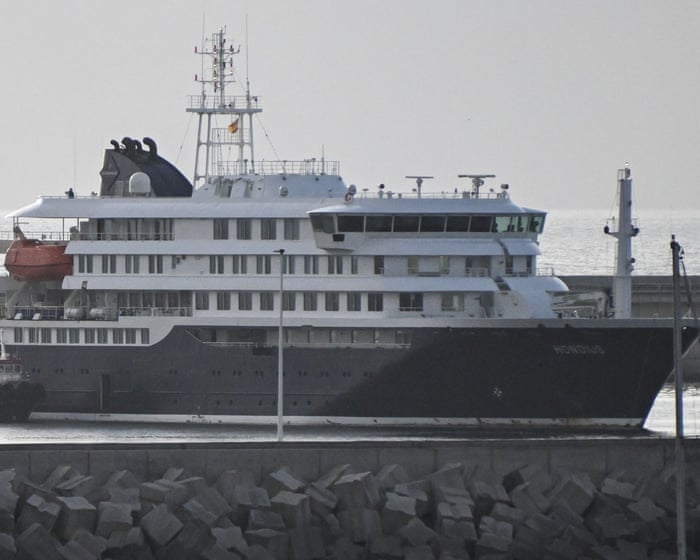
Fourteen Spanish nationals evacuated from the hantavirus-stricken MV Hondius cruise ship arrived in Madrid on May 10 and are now under mandatory quarantine at a military hospital. The ship docked off Tenerife after leaving Cape Verde on May 6.
French nationals are next to be evacuated, with all flights expected to finish by May 11. Authorities confirm three people have died and five infected passengers have left the ship.
None of the remaining 140-plus people on board show symptoms.
Key facts:
14 Spanish passengers evacuated to Madrid and quarantined at a military hospital.
3 people have died in the hantavirus outbreak on the MV Hondius.
5 passengers who left the ship are infected with hantavirus.
Evacuation flights are expected to complete by May 11.
French nationals are the second group scheduled for evacuation.
Why it matters: This evacuation sets a precedent for international coordination under a novel maritime hantavirus outbreak. The rapid, nationality-based repatriation model may be replicated if other cases emerge.
Authorities face the challenge of preventing secondary transmission from asymptomatic carriers, who represent most of the 140-plus remaining passengers and crew.
4. Dutch couple first to develop hantavirus in cruise ship outbreak
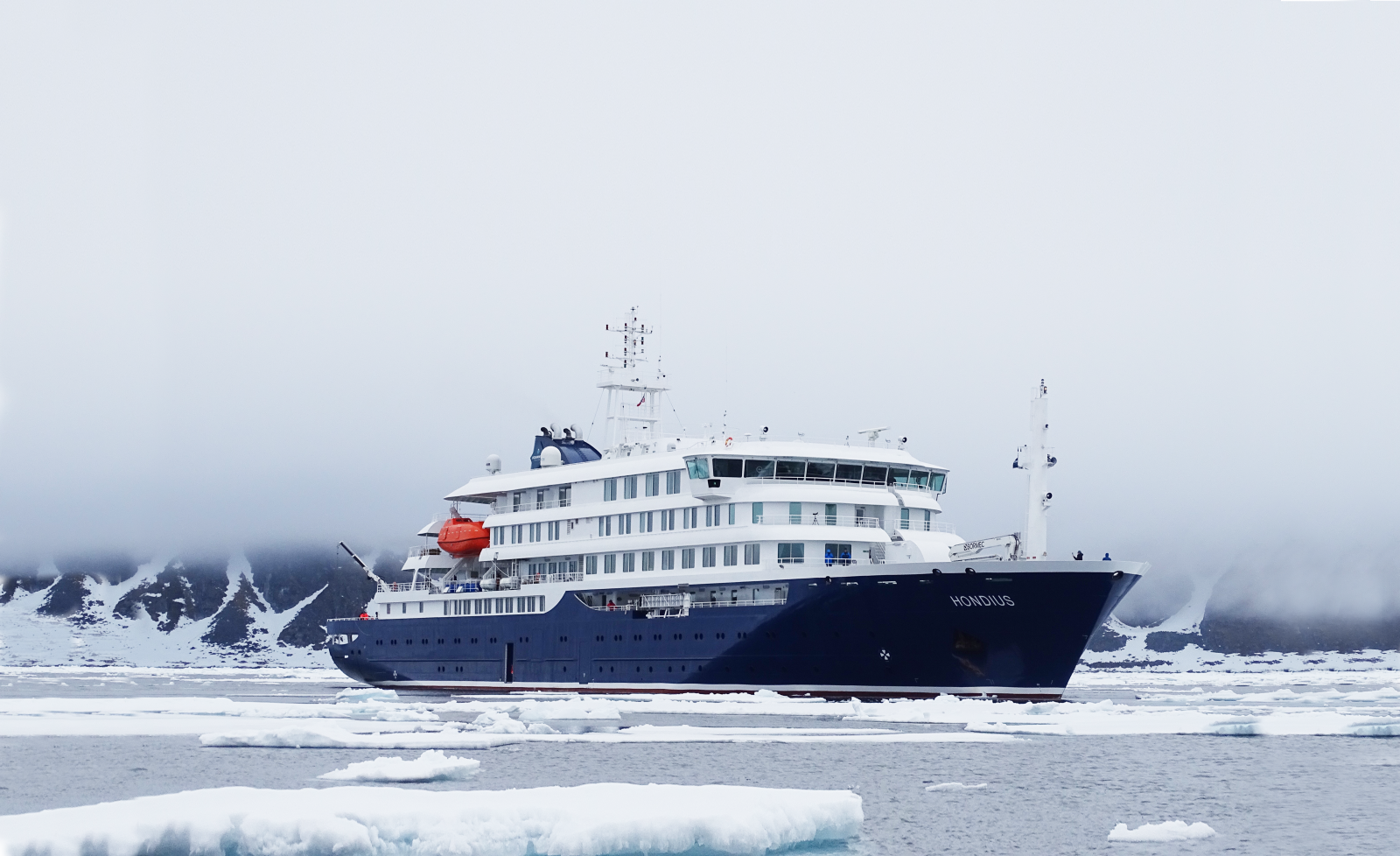
A Dutch couple were the first two people to develop hantavirus in a deadly cruise ship outbreak, according to a report from MSN. The article discusses how the infection may have started, though specific transmission details remain unclear.
This marks a rare cluster of hantavirus cases in a confined maritime setting.
Key facts:
Dutch couple were first two to develop hantavirus in cruise ship outbreak
Outbreak occurred on a cruise ship, raising questions about onboard transmission
Source and mechanism of infection are still under investigation
Why it matters: This outbreak underscores the risk of hantavirus spreading in enclosed environments like cruise ships, where close quarters and shared ventilation could accelerate transmission.
Public health agencies may need to update screening and containment protocols for maritime travel. The case also highlights gaps in understanding how hantavirus is introduced and amplified in such settings.