10 Cases, 3 Deaths: Cruise Hantavirus Outbreak Ends
The MV Hondius hantavirus outbreak is officially over per the WHO, with 13 confirmed cases and three deaths, but the financial and policy fallout continues: cruise stocks slid 1%, vaccine developers saw speculative rallies despite no licensed product, and new Canadian clinical guidance underscores the unique containment challenges of the Andes strain. The key tension is between the WHO's low public risk assessment and the market and political reactions, which highlight lingering pandemic-era sensitivity to any novel outbreak on cruise ships.
Thursday, Jul 9, 2026
Tracking: hantavirus
Geography: Americas, Southwest United States, China, South Korea, Europe
1.10 hantavirus cases, 3 deaths linked to cruise ship; 16 U.S. passengers monitored in Nebraska

The total number of confirmed and probable hantavirus cases among MV Hondius cruise ship passengers stands at 10, including two confirmed deaths and one suspected death.
Sixteen American passengers arrived Monday at the University of Nebraska Medical Center; 15 are monitored in quarantine, and one who initially tested positive later tested negative. Two other passengers were flown to Atlanta for care.
The WHO is not declaring an international emergency, citing low public risk and no evidence of increased transmissibility.
Key facts:
Ten confirmed or probable hantavirus cases are linked to the MV Hondius cruise ship.
Two people have died, and one death remains suspected from the virus.
Sixteen American passengers arrived at University of Nebraska Medical Center on Monday.
The WHO says the outbreak is contained and overall public risk remains low.
An international study involving 20 countries will investigate infectiousness and virus detectability.
Why it matters: The cluster on an international cruise ship underscores how a rodentborne disease can travel across borders and trigger multi-country public health responses.
While the WHO sees low risk, the deployment of biocontainment units and international tracing efforts highlights the resources required to contain even a contained outbreak.
The false-positive test of the American doctor reveals diagnostic challenges that could complicate surveillance.
The coming study on infectious duration and the field epidemiology in Argentina will determine if this outbreak changes standard protocols for travel-related hantavirus screening.
2. WHO declares cruise hantavirus outbreak over; stocks slide

The World Health Organization has declared the hantavirus outbreak on the MV Hondius cruise ship over, after no new cases since May 25 and the last contact testing negative.
The outbreak, which began in early April, resulted in 13 confirmed cases and three deaths, with over 650 contacts monitored across 33 countries.
Despite the low global risk assessment, news of the rare outbreak triggered a 1% overnight decline in cruise stocks including Carnival, Norwegian, and Royal Caribbean, as investors drew parallels to the COVID-19 pandemic and worried about travel demand.
Key facts:
WHO declared outbreak over on May 30, 2025, after no new cases since May 25.
13 confirmed cases and 3 deaths on the MV Hondius cruise ship.
Over 650 contacts were monitored across 33 countries and territories.
Cruise stocks CCL, NCLH, and RCL fell up to 1% overnight.
CDC classified the outbreak as Level 3, its lowest emergency response level.
Why it matters: The swift containment of a rare hantavirus outbreak on a cruise ship underscores the industry's ongoing vulnerability to infectious disease scares, even as the global health risk remains low.
Investor sentiment, still scarred by COVID-19, punished cruise stocks despite the limited scale of the incident, highlighting how reputational and psychological shocks can outweigh epidemiological realities.
The event also reinforces the need for robust onboard surveillance and international contact tracing protocols, especially for emerging zoonotic pathogens like hantavirus.
3. Trump Promises Hantavirus Report as Cruise Ship Outbreak Sparks Vaccine Rally

President Donald Trump promised a full report on a hantavirus outbreak aboard the Dutch-flagged cruise ship Hondius, where three passengers died and six infections are confirmed.
The ship carried 150 passengers on an Atlantic voyage; Singapore isolated two passengers. The World Health Organization issued an alert but said global risk remains low; the Andes strain involved can spread between humans under limited conditions.
Trump said late Thursday the outbreak is 'very much under control' and that a full report would be released Friday. Shares of vaccine makers rallied overnight: Emergent BioSolutions rose 3%, Inovio and Novavax gained 2%, Moderna rose 1%.
Moderna has an mRNA hantavirus candidate with Korea University and a $176 million BARDA award for outbreak preparedness. Inovio conducted DNA vaccine studies against multiple hantavirus strains but no commercial product.
None of the companies have a licensed hantavirus vaccine, but the outbreak revived speculative interest.
Key facts:
Three passengers died from hantavirus on the Dutch-flagged cruise ship Hondius.
President Trump promised a full report on the outbreak on Friday.
Vaccine stocks rose: EBS +3%, INO and NVAX +2%, MRNA +1%.
Moderna has an mRNA hantavirus candidate with Korea University and a $176M BARDA award.
The Andes strain of hantavirus can spread between humans under limited conditions.
Why it matters: The outbreak, though deemed low-risk by the WHO, rekindles investor interest in hantavirus vaccines, benefiting companies like Moderna and Inovio with prior research.
Moderna’s BARDA funding and mRNA platform position it for future government contracts, while Inovio’s lack of a commercial product makes its rally speculative.
The promised report and ongoing surveillance may shift public health preparedness toward hantavirus, especially if human-to-human transmission risks increase.
4. Cruise Ship Hantavirus Outbreak Kills Three, Evacuates 20
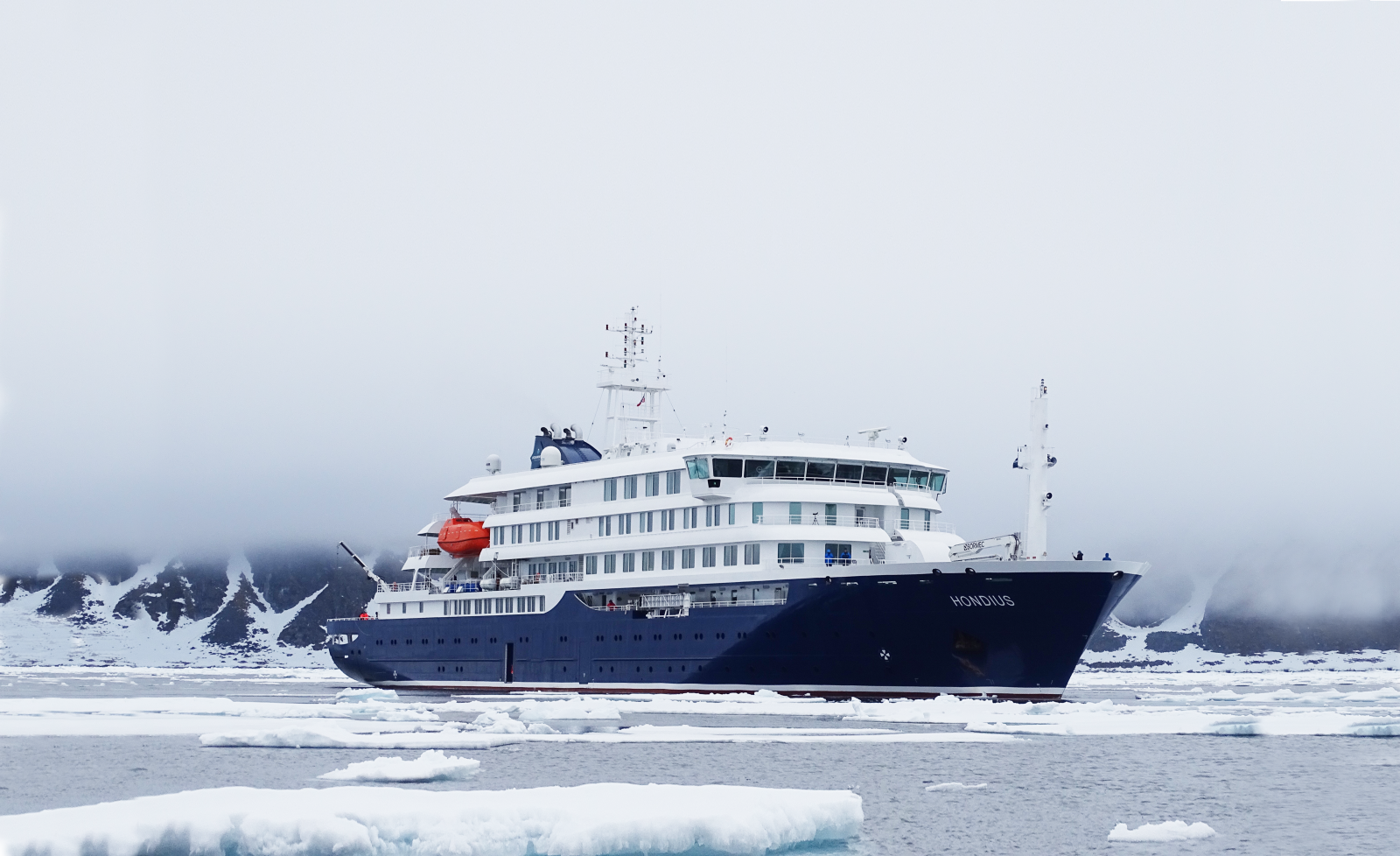
A suspected hantavirus outbreak aboard a cruise ship has resulted in three deaths. The World Health Organisation confirmed 11 cases, nine of which are the Andes strain—the only strain with documented human-to-human transmission.
Twenty British passengers were evacuated to an isolation facility in the UK after their repatriation flight landed Sunday.
Investigators believe the virus entered the ship after a couple was exposed to infected rodents while birdwatching at a landfill in Ushuaia, Argentina.
Hantavirus pulmonary syndrome, which is fatal in nearly 40% of cases, typically spreads through contact with rodent droppings. The Andes strain's ability to spread person-to-person raises unique containment challenges.
Key facts:
Three people died in a suspected hantavirus outbreak on a cruise ship.
WHO confirmed 11 cases; 9 are the Andes strain.
20 British passengers evacuated to a UK isolation facility.
Exposure linked to birdwatching at a landfill in Ushuaia, Argentina.
Andes strain is the only hantavirus with evidence of human-to-human transmission.
Why it matters: The cruise ship outbreak introduces a new transmission vector for a deadly virus that rarely spreads between humans.
The Andes strain's person-to-person capability demands heightened surveillance in confined travel settings, potentially reshaping quarantine protocols for cruise lines.
Public health agencies must now reassess risks of rodentborne disease in non-endemic areas where international travel intersects with wildlife exposure.
5. CMAJ Publishes New Hantavirus Guidance as Cases Continue in Western Canada

The Canadian Medical Association Journal released updated clinical guidance on hantavirus on June 22, 2026, emphasizing early detection challenges and strict infection control.
Canada records 4–5 confirmed cases annually, mostly in agricultural areas of Manitoba, Saskatchewan, Alberta, and British Columbia, with exposure to rodents as the primary route.
The Andes virus strain, which can spread person-to-person, requires airborne, droplet, and contact precautions alongside immediate public health notification. No approved antiviral or vaccine exists for hantavirus; treatment remains supportive care.
Diagnosis relies on serology and PCR testing at the National Microbiology Laboratory in Winnipeg.
The guidance highlights that hantavirus presents differently in the Americas (cardiopulmonary syndrome) versus Europe and Asia (hemorrhagic fever with kidney dysfunction), with a two- to four-week incubation period.
Key facts:
Canada reports 4–5 hantavirus cases per year, mostly in four western provinces.
Andes virus is the only strain known to transmit person-to-person.
No approved vaccine or antiviral exists for hantavirus; treatment is supportive care.
Why it matters: Clinicians now have a clear, authoritative framework for differentiating hantavirus from flu-like illnesses, reducing diagnostic delays in a disease with no specific treatment.
The person-to-person potential of the Andes strain raises the stakes for rapid isolation and public health response, especially in rural agricultural regions where rodent exposure is common.
With no vaccine on the horizon, strict infection prevention and control remains the only line of defense.