Hantavirus outbreak kills 3, WHO ends, doctors push back
The hantavirus outbreak on the MV Hondius cruise ship resulted in 13 confirmed cases and 3 deaths before the WHO declared it over on May 25, with 650 contacts monitored across 33 countries. However, physician surveys (77% rating risk as low) and CDC data (fewer than 50 U.S. cases annually) push back against alarmed media coverage, highlighting a tension between a contained cluster and the generally low public threat. The episode underscores how expedition tourism and climate change may expand zoonotic disease risks, even as the vast majority of hantavirus transmission remains limited to direct rodent contact.
Wednesday, Jul 8, 2026
Tracking: hantavirus
1. Hantavirus outbreak on cruise ship kills 3, spreads across continents
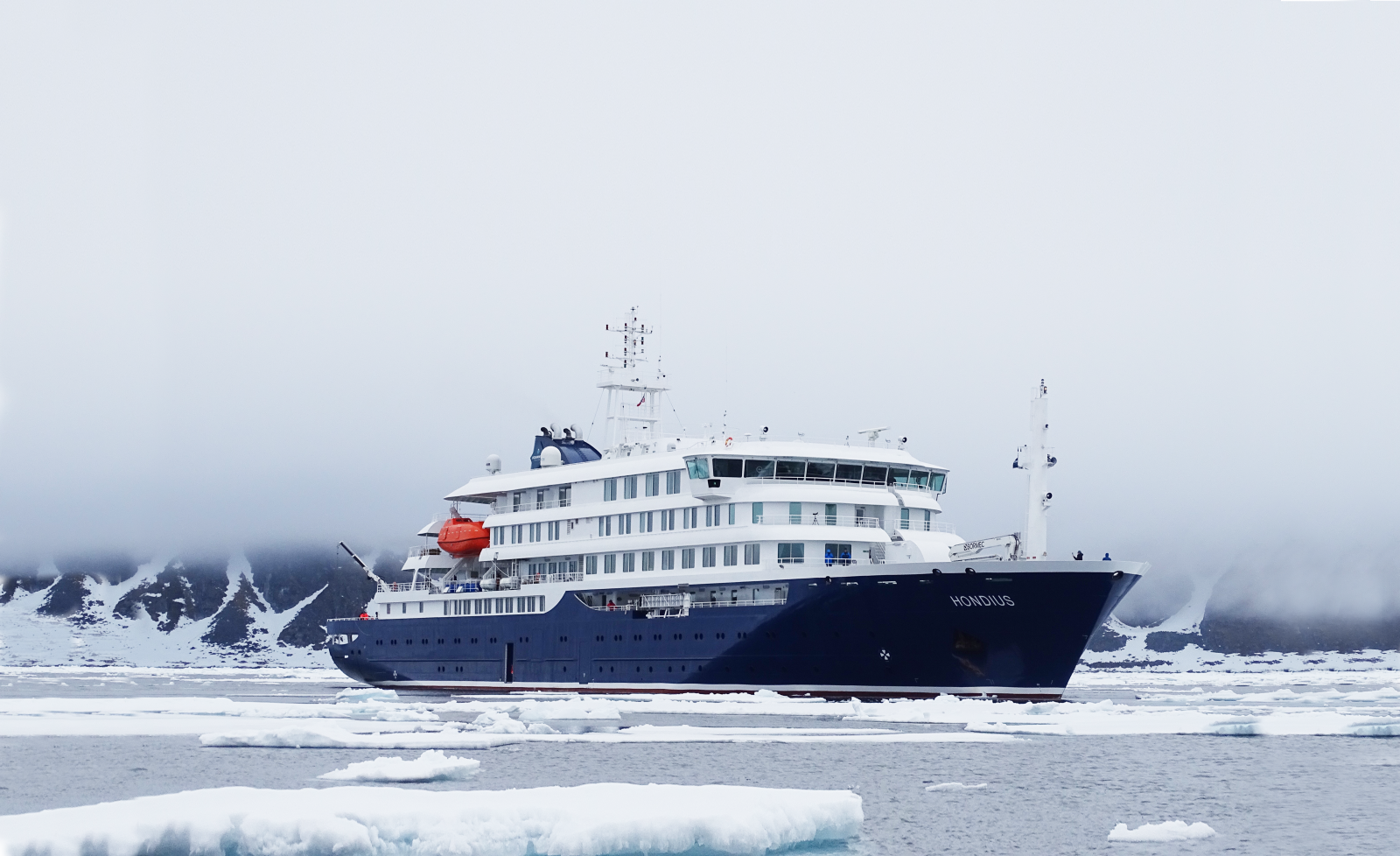
At least 11 cases and three deaths have been linked to a hantavirus outbreak aboard the MV Hondius, an expedition cruise ship that sailed from Antarctica to remote South Atlantic islands.
The first victim, a Dutch man, died April 11; his wife later died in South Africa. A German woman died May 2, and a Swiss man tested positive after disembarking.
About 30 passengers left the ship before hantavirus was confirmed, including six Americans. The Andes virus strain involved is the only hantavirus known to spread from person to person.
The ship’s doctor and two others were evacuated to Europe. Authorities in South Africa, Europe, and the U.S. are tracing contacts.
Experts link the outbreak to expedition tourism in remote areas and note that climate change may expand the range of such zoonotic diseases.
Key facts:
3 deaths: Dutch man, his wife, and a German woman.
11 total cases linked to the MV Hondius outbreak.
30+ passengers of 12 nationalities left ship before hantavirus confirmed.
Andes virus is the only hantavirus strain known to transmit human-to-human.
Ship’s doctor evacuated to Europe; 2 others in intensive care.
Why it matters: This is the first documented hantavirus outbreak on a modern cruise ship, exposing a new risk for expedition tourism that brings travelers into close contact with remote rodent habitats.
The Andes virus’s ability to spread person-to-person raises the stakes for contact tracing and quarantine.
While the overall public risk remains low, the event signals that climate change and adventurous travel patterns may increase spillover events of rare, deadly pathogens, challenging global health surveillance systems.
2. WHO declares hantavirus outbreak on cruise ship over after 13 cases, 3 deaths
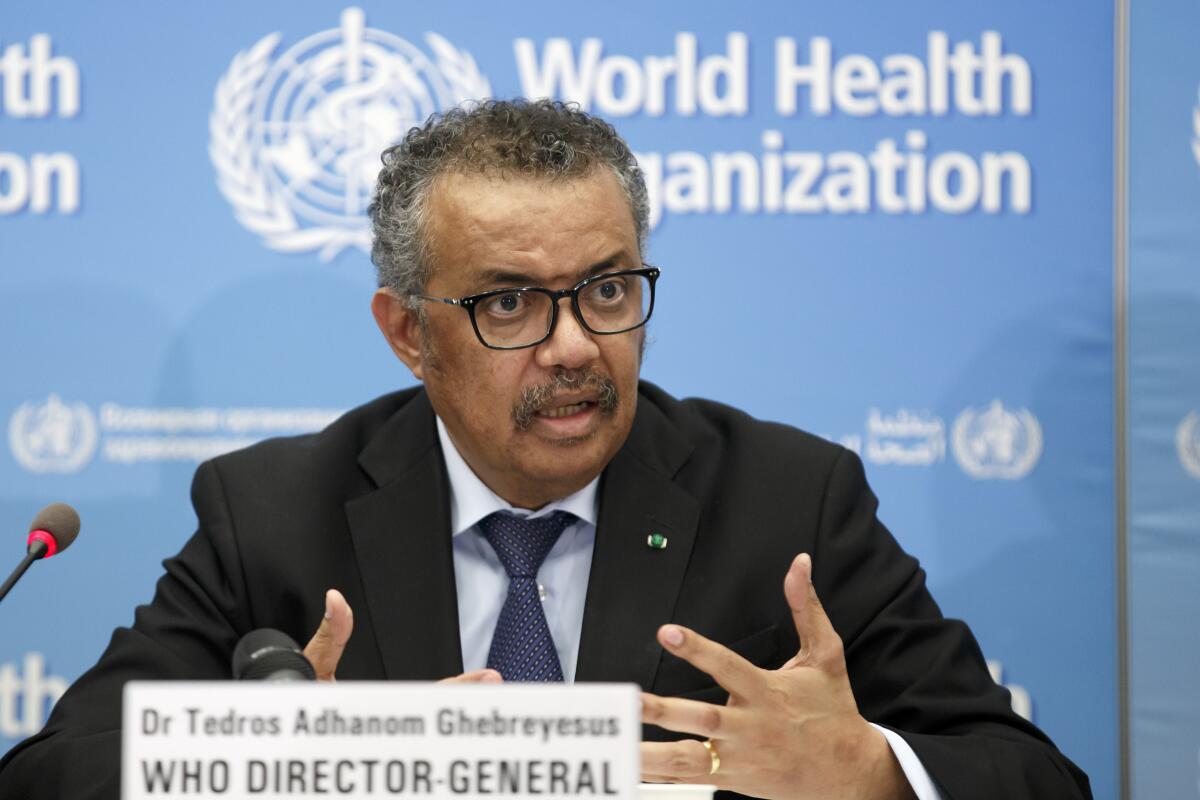
The World Health Organization has declared the hantavirus outbreak on the cruise ship MV Hondius officially over.
Director-General Tedros Adhanom Ghebreyesus confirmed on Thursday that no new cases have been reported since May 25, and the last contact of an infected person completed quarantine and tested negative.
The outbreak resulted in 13 confirmed cases and three deaths. Over 650 contacts were identified and monitored across 33 countries and territories.
WHO is now coordinating a multinational study involving 21 countries to improve understanding of hantavirus and support development of diagnostics, treatments, and vaccines.
Key facts:
Outbreak declared over on June 5 by WHO Director-General Tedros.
13 confirmed cases and 3 deaths from hantavirus on MV Hondius.
More than 650 contacts monitored across 33 countries.
Last contact tested negative after quarantine; no cases since May 25.
WHO launching 21-country study on hantavirus diagnostics and vaccines.
Why it matters: The closure of this outbreak underscores the effectiveness of rapid international contact tracing and quarantine protocols in containing a rare zoonotic disease on a mobile platform like a cruise ship.
The multinational study signals a shift toward proactive preparedness for hantavirus, which has no specific treatment or vaccine.
Health authorities and travel operators will be watching for lessons in maritime outbreak response and for early signs of any new clusters.
3. Hantavirus: le Hondius attendu aux Pays-Bas, risque sanitaire
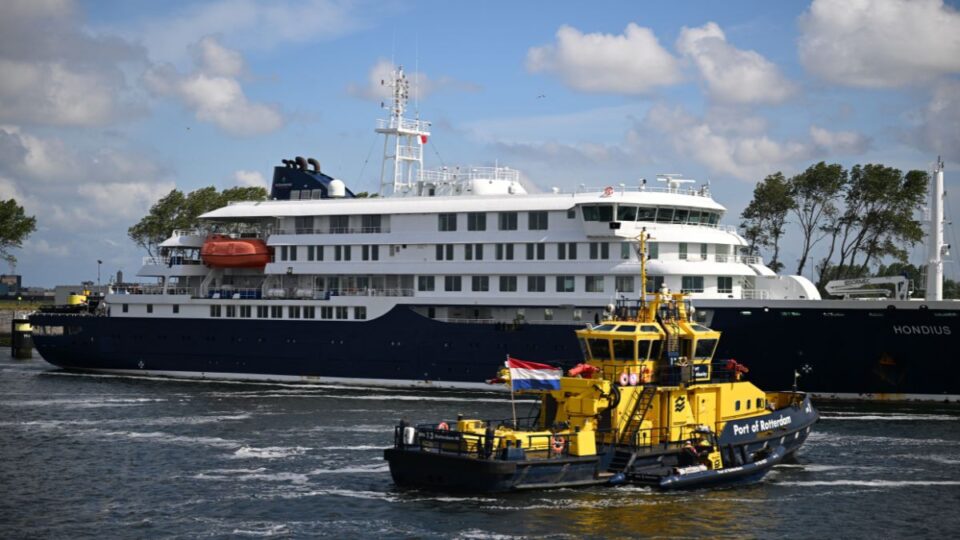
URL Source: http://www. aol.
com/articles/hantavirus-hondius-attendu-pays-bas-024911000. html !
4. Physicians push back as hantavirus headlines inflate risk
In a new survey, 77% of physicians rated the current hantavirus risk to the general public as low or non-meaningful.
This assessment aligns with CDC surveillance showing fewer than 50 cases annually in the U.S. The doctor response counteracts recent media coverage that has amplified alarm around the rodent-borne disease.
Hantavirus causes a rare but severe respiratory illness known as hantavirus pulmonary syndrome.
While the fatality rate is high for those infected, transmission remains extremely limited and almost exclusively linked to direct contact with infected rodent droppings or urine.
Key facts:
77% of physicians rated hantavirus risk as low or non-meaningful.
CDC data shows fewer than 50 U.S. cases annually.
Hantavirus is rodent-borne and causes hantavirus pulmonary syndrome.
Why it matters: The disconnect between media-driven public concern and clinical reality could strain trust in public health messaging. Physicians are positioned to correct misinformation, but widespread panic may still lead to unnecessary emergency visits.
The key downstream risk is that overreaction to rare pathogens distracts resources from far more common infectious threats like influenza or RSV.