Hantavirus kills three on cruise ship, one in Colorado
Two distinct hantavirus events—a fatal rodent exposure in Colorado and an unprecedented cruise ship outbreak involving the person-to-person Andes strain—underscore the virus's dual threat. While the Colorado case is an isolated reminder of endemic risk, the cruise ship cluster has exposed gaps in international outbreak leadership and prompted novel studies on sexual transmission, highlighting the need for robust contact tracing across long incubation periods.
Friday, Jul 17, 2026
Tracking: hantavirus
Geography: Southwest United States, Four Corners region, Patagonia, Yosemite National Park
1. Colorado adult dies from hantavirus after rodent exposure
An adult in Colorado has died from hantavirus after being infected through local rodent exposure, according to health officials. The case underscores the persistent but rare risk of hantavirus pulmonary syndrome in the region.
Officials state that the overall public health risk remains low. Hantavirus is primarily spread through contact with deer mouse droppings, urine, or saliva.
The death is the latest reminder that sporadic cases can occur even outside major outbreak zones. No additional details about the victim or exact location have been released.
Key facts:
Colorado adult died from hantavirus after local rodent exposure.
Public health officials say the risk to the general public remains low.
Infection was linked to contact with rodents in the local environment.
Why it matters: This isolated death highlights the ongoing threat of zoonotic diseases like hantavirus, which can spike with environmental changes. No vaccine or specific treatment exists, so prevention through rodent control is critical.
The case reinforces the need for continued public awareness campaigns in endemic areas, especially in the Southwest and Rocky Mountain states.
2. US and UK launch monitoring for cruise passengers exposed to rare hantavirus
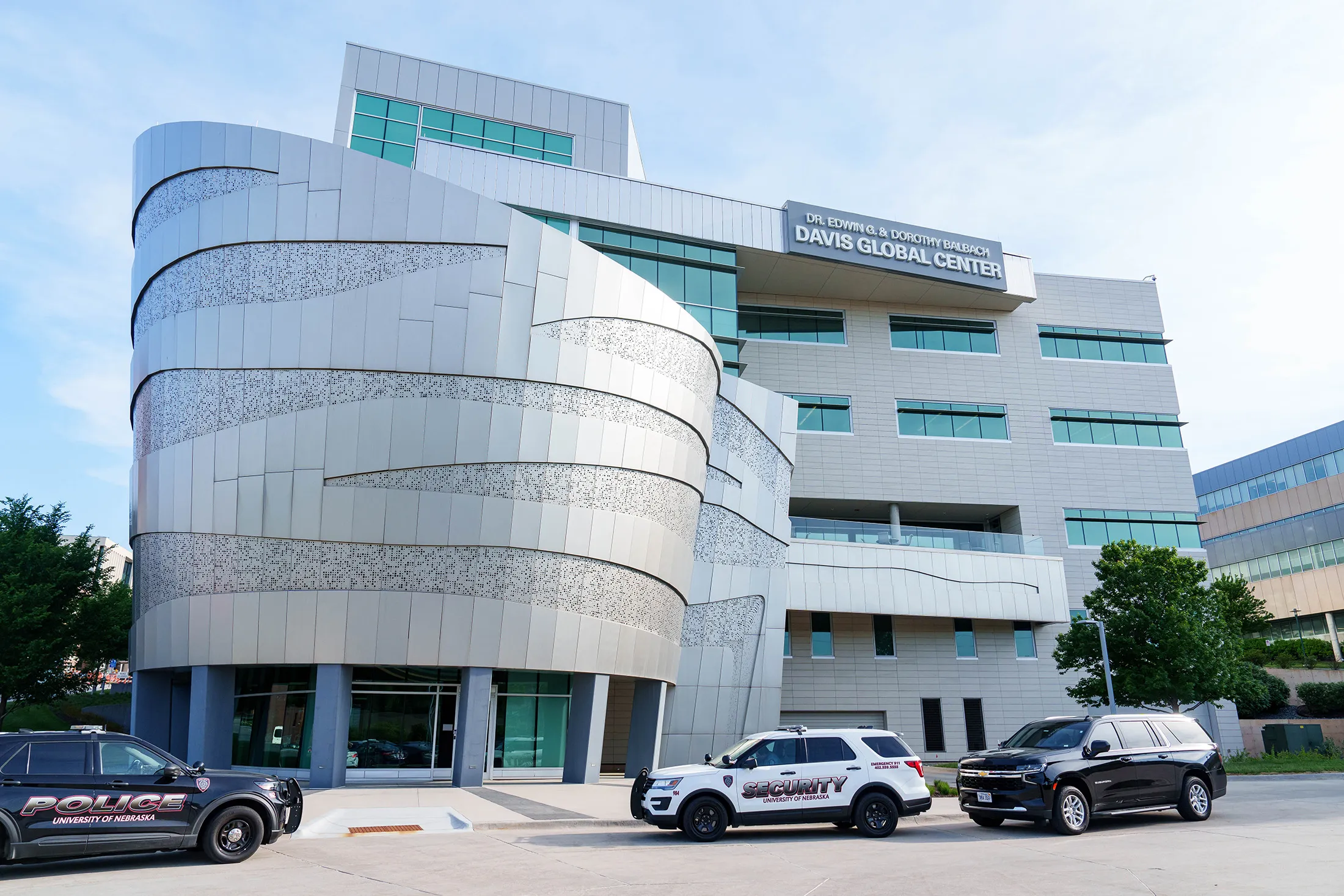
In May, U.S. passengers from the MV Hondius cruise ship, where a hantavirus outbreak began, were transported to Nebraska Medicine's National Quarantine Unit in Omaha for monitoring.
The Andes strain, capable of person-to-person transmission, has killed three people: a Dutch couple and a German man.
Separately, 22 British passengers repatriated to the UK have volunteered for a long-term study led by the UK Health Security Agency and multiple universities. None have tested positive so far, but the virus can incubate up to two months.
Researchers will track blood samples and, if male patients test positive, test semen for potential sexual transmission, as one prior study found the virus could persist for years.
Key facts:
Three passengers died: a Dutch couple and a German man.
U.S. passengers were monitored at the only federally funded quarantine unit in Omaha.
22 British passengers volunteered for a UKHSA-led study on the Andes hantavirus strain.
No British passengers have tested positive, but incubation can reach two months.
The study will test for asymptomatic infection and potential sexual transmission.
Why it matters: This outbreak is a rare real-world test of pandemic preparedness infrastructure — the U.S. National Quarantine Unit and the UK's ISARIC research network.
The Andes strain's ability to spread between people and potentially persist in semen raises new questions for contact tracing and long-term surveillance.
If the study finds asymptomatic carriers, it could reshape how health authorities screen for hantavirus in future outbreaks. The lack of a vaccine or approved treatment makes every data point from these exposed passengers critical for global readiness.
3. Hantavirus outbreak on cruise ship Hondius exposes CDC leadership gap

A deadly hantavirus outbreak aboard the cruise ship Hondius has generated a surge of global headlines over the past week.
Public health experts have noted that the U.S. Centers for Disease Control and Prevention (CDC) has taken a back seat in the response, raising questions about the agency's role in managing emerging zoonotic threats.
The incident underscores vulnerabilities in outbreak coordination for international travel settings, where clear leadership is critical.
Key facts:
Outbreak occurred on the cruise ship Hondius.
Event generated global headlines over the past week.
CDC has taken a back seat in the response.
Public health experts expressed concern about leadership gaps.
Why it matters: The outbreak on the Hondius highlights a critical weakness in U.S. public health leadership for international disease events. With the CDC sidelined, coordination between agencies and cruise operators may falter, increasing the risk of wider transmission.
This sets a concerning precedent for future hantavirus or other rodent-borne outbreaks, especially as climate change expands vector habitats into new regions.
4. Hantavirus contact tracing launched after cruise ship outbreak

An international disease detective team is racing to contact over two dozen passengers who disembarked the MV Honius cruise ship on St. Helena before a hantavirus outbreak was identified.
Some of these individuals have flown to the United States and other countries. Public health officials emphasize the risk of further spread is low because the virus requires close, prolonged contact and infected people transmit it only briefly.
Contact tracing involves identifying close contacts of infected individuals and ordering precautions such as quarantine. The challenge is hantavirus's incubation period can last up to 45 days, requiring extended self-monitoring.
A KLM flight attendant who fell ill after a flight with an infected passenger ultimately tested negative, illustrating the complexity of containment.
Key facts:
Over two dozen passengers from the MV Honius cruise ship are being traced.
Some passengers have traveled to the United States and other countries.
Hantavirus incubation can last up to 45 days before symptoms appear.
A KLM flight attendant tested negative after potential exposure.
Transmission requires close, prolonged contact and a brief infectious period.
Why it matters: Though the immediate risk is low, the incident tests global contact tracing systems for hantavirus, a rare disease that can cause severe pulmonary syndrome.
Success or failure here will shape protocols for future outbreaks, especially as climate change expands rodent habitats and zoonotic risks.
Public health agencies must balance vigilance against overreaction, given the long incubation window and potential for international spread.