Hantavirus cruise outbreak: 13 cases, 3 dead
Two distinct hantavirus events underscore the virus's dual threat: a rare person-to-person Andes strain on the MV Hondius cruise ship—now declared over after 13 cases and three deaths—and an unrelated Sin Nombre strain killing a Colorado adult via local rodent exposure. The cruise response tested U.S. quarantine infrastructure and triggered global monitoring, while the Colorado case highlights the persistent endemic risk. Readers should note the contrasting transmission modes and the fact that international spread likely occurred before the outbreak was recognized.
Saturday, Jul 18, 2026
Tracking: hantavirus
Geography: Americas, Southwest United States, Argentina, Chile, Panama
1. WHO confirms 5 hantavirus cases on cruise ship; 3 dead
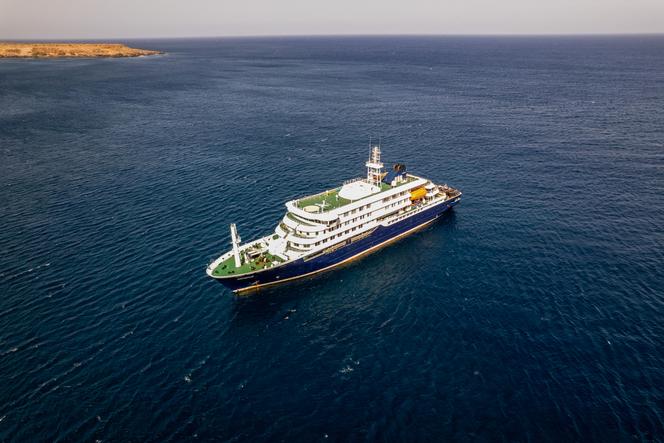
The World Health Organization confirmed five hantavirus cases and three deaths aboard the cruise ship MV Hondius, with three additional cases suspected.
The vessel, which departed Ushuaia, Argentina, in early April, is now anchored off Cabo Verde as authorities coordinate response. WHO assesses the global risk as low.
Cruise stocks including Carnival, Norwegian Cruise Line, and Royal Caribbean slipped up to 1% overnight after earlier declines. The CDC has classified the outbreak as Level 3, its lowest emergency alert.
WHO is shipping 2,500 diagnostic kits to five countries and has informed 12 nations whose passengers disembarked at Saint Helena.
Key facts:
5 confirmed hantavirus cases and 3 deaths on MV Hondius.
3 additional cases are suspected, per WHO.
Symptoms developed between April 6 and 28.
WHO sent 2,500 diagnostic kits to five countries.
12 countries notified of exposed passengers.
Why it matters: The outbreak tests international response coordination for a rare rodent-borne virus on a cruise ship, where the Andes strain can spread person-to-person in close quarters.
While WHO deems global risk low, the incident has rattled travel stocks already sensitive to demand shocks, and highlights gaps in surveillance for zoonotic outbreaks on long voyages.
2. U.S. cruise passengers monitored for hantavirus at Nebraska quarantine unit
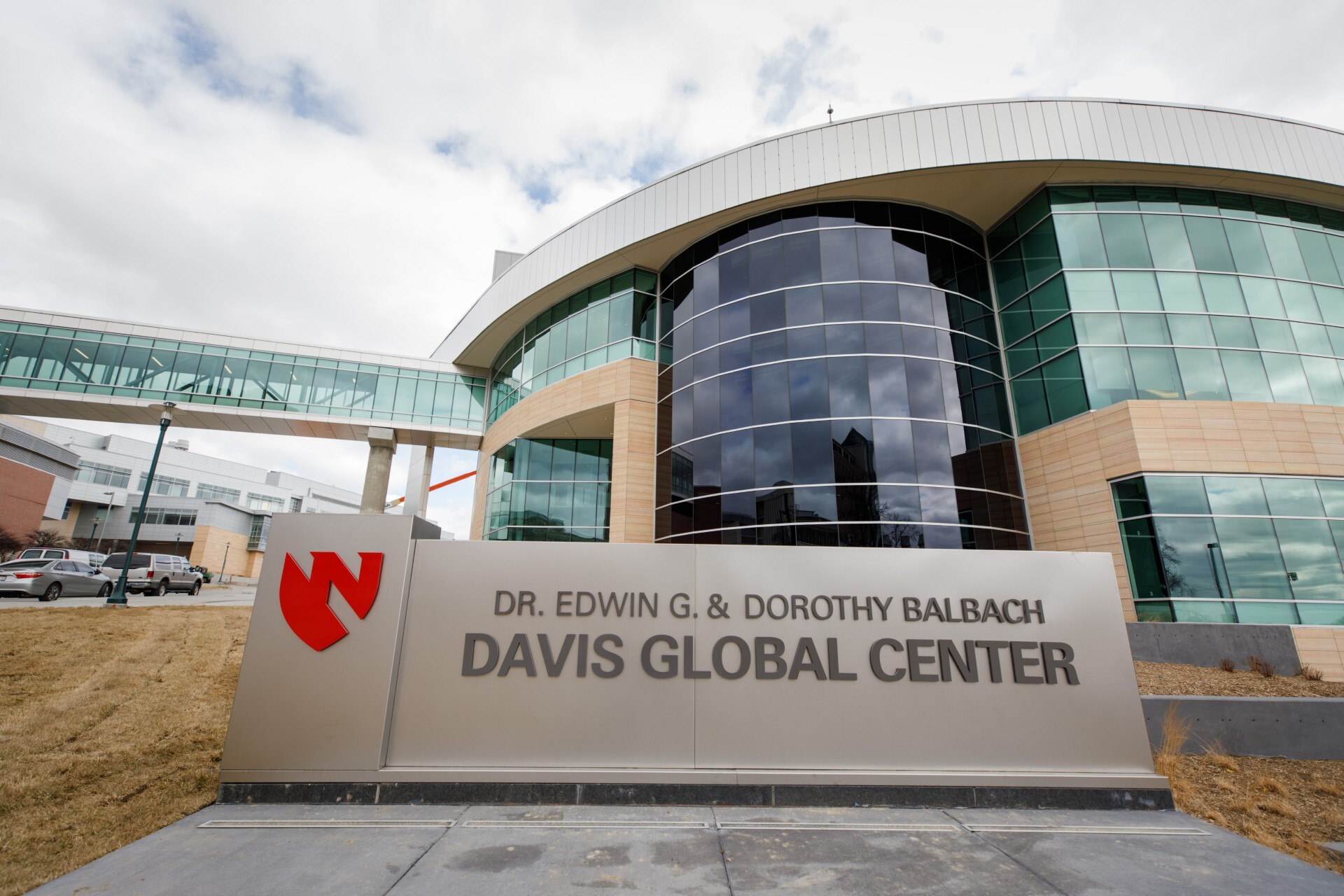
In May, U.S. passengers from an international cruise ship hit by a hantavirus outbreak were transported to Omaha, Neb. , for monitoring at the National Quarantine Unit — the only federally funded quarantine unit in the country.
The outbreak involved the Andes hantavirus strain, which is unique among hantaviruses in that it can spread person-to-person. The response tested America's infectious-disease preparedness infrastructure.
Dr. Angela Hewlett, medical director of the Nebraska Biocontainment Unit, noted that teams had trained for decades alongside federal and state partners.
She also drew lessons from the Ebola response, emphasizing the need for hospitals of all sizes to strengthen outbreak readiness.
Key facts:
U.S. passengers were monitored in May at Nebraska Medicine's National Quarantine Unit.
The outbreak involved the Andes hantavirus strain, capable of person-to-person transmission.
The National Quarantine Unit is the only federally funded quarantine unit in the U.S.
Dr. Angela Hewlett led the response and cited decades of preparation with federal partners.
Why it matters: The outbreak serves as a real-world stress test for U.S. quarantine capacity, especially given a hantavirus strain that can spread among humans.
Success or failure here informs future protocols for containing emerging zoonotic threats, and hospitals nationwide may need to reassess their own outbreak-readiness plans based on the lessons learned from this response.
3. Colorado adult dies from hantavirus after local rodent exposure
An adult in Douglas County, Colorado, has died from hantavirus caused by the Sin Nombre virus, according to the Colorado Department of Public Health and Environment.
The infection was linked to local rodent exposure and is not connected to the recent cruise ship outbreak that left three passengers dead and 41 people under monitoring.
Hantavirus cases in the U.S. remain rare, with 26 reported in 2023, 13 in 2022, and 16 in 2021. Since 1993, 890 cases have been recorded nationwide, including 121 in Colorado.
The Sin Nombre strain does not spread person-to-person, unlike the Andes strain found on the cruise ship, which requires prolonged close contact for transmission.
Key facts:
Adult in Douglas County, Colorado, died from hantavirus after local rodent exposure.
Case is not linked to the cruise ship outbreak that killed three passengers and has 41 people under monitoring.
26 U.S. hantavirus cases reported in 2023, 13 in 2022, and 16 in 2021.
Since 1993, 890 hantavirus cases have been reported in the U.S., with 121 in Colorado.
Sin Nombre hantavirus does not spread from person to person, unlike the Andes strain.
Why it matters: The death underscores that hantavirus remains a persistent but low-risk threat in the Southwest, particularly in Colorado and New Mexico.
While the Sin Nombre strain cannot transmit between humans, the cruise ship outbreak highlights the emergence of the Andes strain, which can.
Public health officials now face dual surveillance challenges: monitoring endemic rodent-borne cases and preventing rare human-to-human spread from imported strains.
4. Hantavirus cruise outbreak ends with 13 cases, 3 dead

The World Health Organization has declared the hantavirus outbreak on the MV Hondius cruise ship over, after 13 passengers tested positive and three died.
Elisabet Jané, a doctor and birdwatcher on board, criticized the Canary Islands president for calling the ship a second pandemic and falsely claiming rats could swim ashore.
The ship was eventually allowed to dock in Spain after being turned away from Cape Verde.
Jané noted that a stop at Saint Helena, made before the outbreak was confirmed, likely spread the virus globally, though no one knew at the time that a single death was linked to hantavirus.
Key facts:
13 positive hantavirus cases and 3 deaths occurred on the MV Hondius cruise ship.
WHO declared the outbreak over; passengers completed quarantine at Gómez Ulla Hospital.
Canary Islands president refused docking, calling the ship a second pandemic risk.
A stop at Saint Helena before diagnosis may have spread the virus worldwide.
Jané described the political response as a 'media and political circus'.
Why it matters: The outbreak exposed major gaps in crisis communication and political decision-making during a novel zoonotic event. Regional leaders, lacking epidemiological evidence, imposed harsh restrictions that stigmatized passengers and delayed safe disembarkation.
This case shows how the legacy of COVID-19 can amplify fear and lead to disproportionate responses, potentially undermining trust in public health authorities.
Future outbreak protocols must balance caution with science-based risk assessment to avoid panic-driven policies that harm both individuals and international cooperation.