AI Robotics in Medicine
PublicTracking updates in AI Robotics in the healthcare industry
Serve Robotics Buys Diligent, Expands Into Hospital Automation
Tuesday, Jul 7, 2026
AI and robotics are moving deeper into medical operations: FDNY’s field-medicine symposium centered AI, machine learning, VR, drones and robotics for triage, scene size-up and battlefield care, while Serve Robotics’ acquisition of Diligent Robotics extends its autonomy stack from sidewalks into hospital logistics.
Watch the execution gap—FDNY is translating tech into hands-on protocols, and Serve must integrate Diligent, scale hospitals, and raise revenue per robot even as the combined footprint spans 44 cities in 14 states and the company remains loss-making with shares down 25.
3% over three months.
Tracking: Medicine Robotics · AI Medicine · AI Healthcare
Geography: United States (Boston, San Francisco Bay Area, Minneapolis, Houston, Baltimore, Cleveland, Rochester MN, Pittsburgh), United Kingdom (London, Cambridge, Oxford), European Union (Germany: Munich/Berlin; France: Paris; Netherlands: Eindhoven; Switzerland: Zurich), Israel (Tel Aviv), China (Beijing, Shanghai, Shenzhen), Japan (Tokyo, Osaka), South Korea (Seoul), Singapore, India (Bengaluru), Canada (Toronto, Montreal)
1. FDNY Symposium Puts AI, Drones, Robotics at Center of Field Medicine
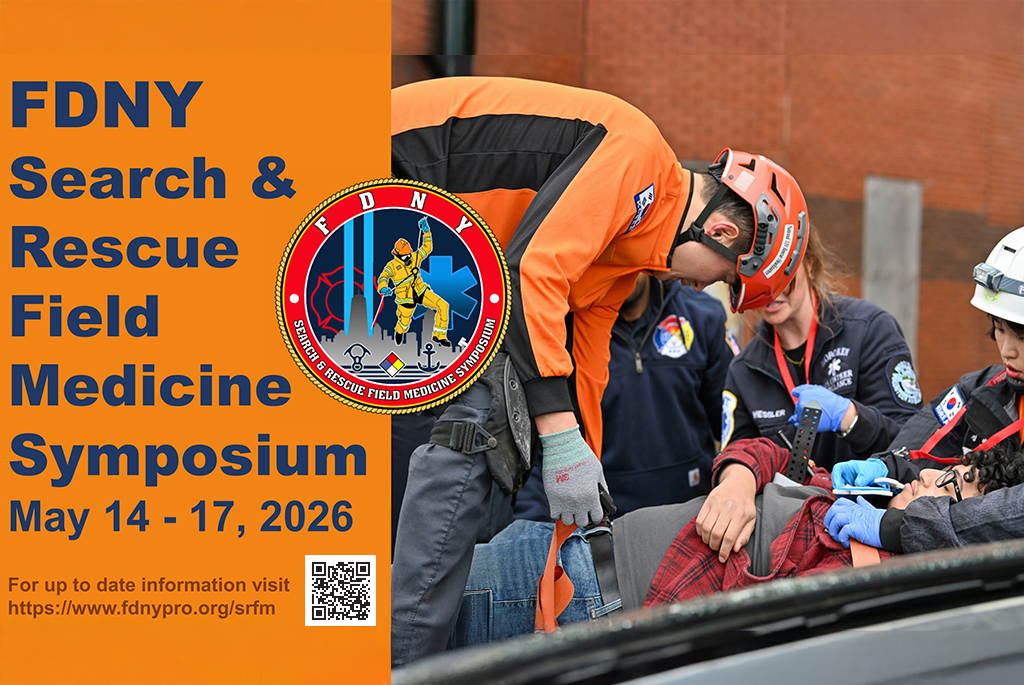
The 13th FDNY Search and Rescue Field Medicine Symposium on Randall’s Island drew EMS, fire, rescue, and emergency medicine professionals from 34 states and eight nations.
Co-hosted with the FDNY Foundation, the program followed two days of pre-symposium training with two full days of morning lectures and afternoon hands-on or in-depth sessions.
Instruction used FDNY facilities and faculty, blending expert talks with practical drills. This year placed unusual emphasis on AI, machine learning, robotics, virtual reality, and drones for triage, scene size-up, and battlefield care, including Ukraine.
International turnout included 15 firefighters from South Korea’s Korea Fire Service and a seven-person team from Mexico’s Proteccion Civil de Monterey, who drove 40 hours.
Workshops evolved too; the Envenomation course shifted to more hands-on scenarios, including administering antivenom for snake, scorpion, and spider bites.
Key facts:
- 13th annual FDNY SRFM Symposium held at Randall’s Island in New York City.
- Participants came from 34 U.S. states and eight nations.
- Program included two training days, then two days of lectures and hands-on sessions.
- 15 Korea Fire Service firefighters attended; seven from Mexico’s Proteccion Civil de Monterey.
- Agenda emphasized AI, robotics, VR, drones for triage and scene assessment.
Why it matters: By emphasizing AI, drones, and robotics, this year’s FDNY-led program points to nearer-term operational use in prehospital care. International participation and battlefield case studies highlight a two-way flow of tactics that can speed practical adoption.
The shift toward scenario-based, hands-on training suggests agencies are translating emerging tools into protocols, a prerequisite for safe, repeatable deployment.
2. Serve Robotics Acquires Diligent Robotics to Enter Hospital Automation
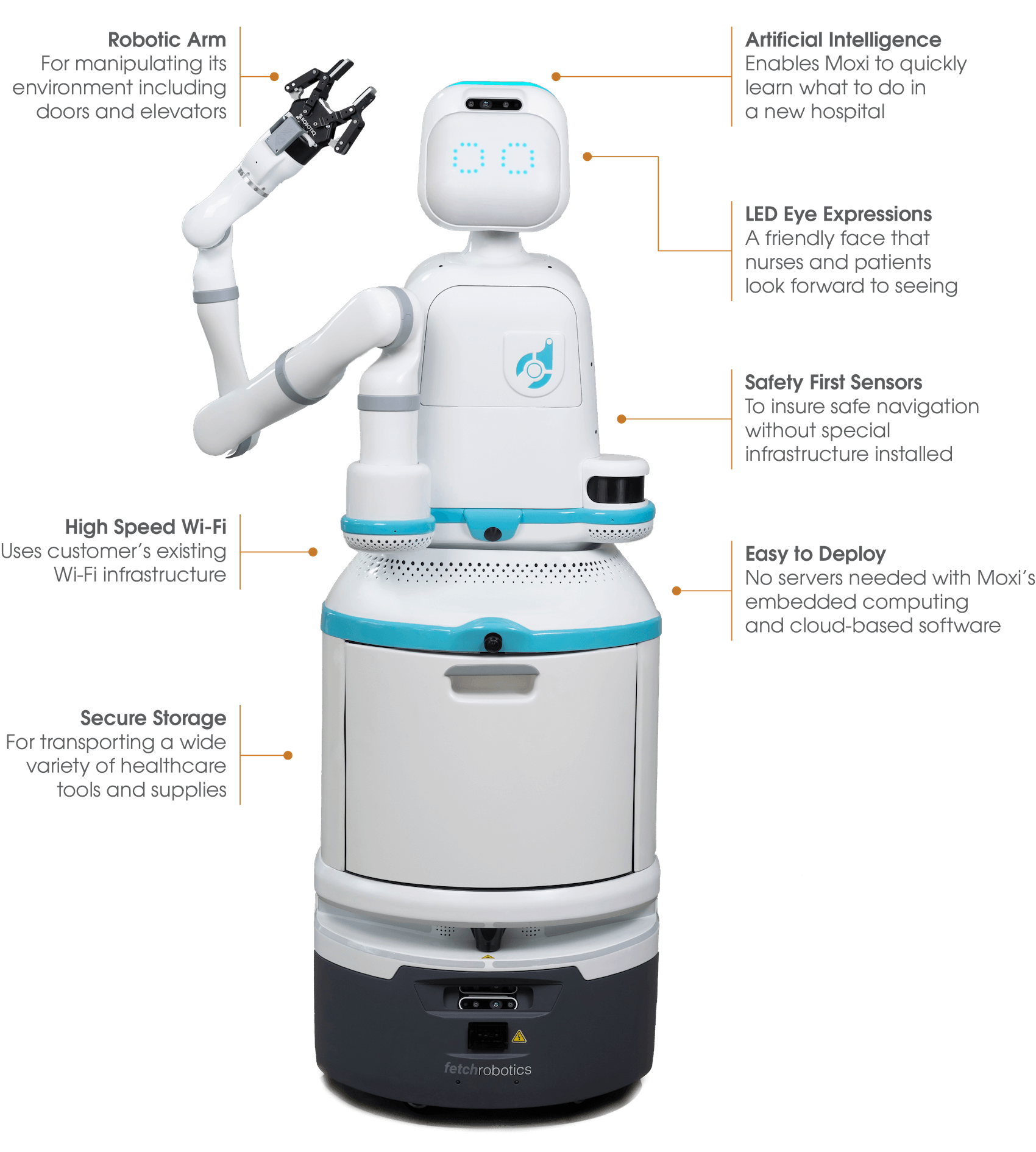
Serve Robotics is expanding beyond sidewalk delivery by acquiring Diligent Robotics, moving into hospital logistics like lab specimen transport and pharmacy deliveries.
Management frames the deal as a shift to a multi-domain Physical AI platform, exposing its autonomy stack to both indoor and outdoor environments and widening its addressable market.
The combined footprint now spans 44 cities across 14 states, with nearly 2 million deliveries completed to date.
Software services already account for roughly one-third of quarterly revenue, but management flags execution risks around integration, hospital scaling, and improving revenue per robot. Shares have fallen 25.
3% over three months, the company carries a forward P/S of 9. 49, and it remains loss-making as it invests to grow.
Key facts:
- Serve Robotics acquired Diligent Robotics to enter healthcare automation.
- The combined platform has completed nearly 2 million deliveries.
- Footprint now covers 44 cities across 14 states.
- Software services contribute about one-third of quarterly revenue.
- Shares fell 25.3% in the past three months.
Why it matters: Hospitals facing labor shortages and rising costs are accelerating automation, creating demand for autonomous logistics.
By combining Diligent’s hospital know‑how with Serve’s autonomy stack, SERV can diversify beyond food delivery and strengthen its AI models with broader real‑world data.
But success hinges on integration, scaling hospital deployments, and lifting revenue per robot amid continued operating losses.
Watch hospital win rates, software revenue mix, and unit economics as SERV competes with Symbotic and Richtech in the next wave of commercial robotics adoption.