Iran’s Nuclear Referral Raises Stakes Across a Fragile Ceasefire
The IAEA’s first referral of Iran’s nuclear case to the U.N. Security Council in 20 years raises pressure on Tehran, but possible action remains constrained by Russian and Chinese vetoes and inspectors’ loss of access. At the same time, Iran is attaching tougher conditions to talks and contesting the ceasefire, while fighting involving the Houthis and Hezbollah broadens the risks around key regional waterways and infrastructure.
Saturday, Sep 12, 2026
Tracking: Iran War
Geography: Iran, Israel, Gaza, Lebanon, Syria, Iraq, Yemen, Persian Gulf, Red Sea, Middle East
IAEA Board Refers Iran’s Nuclear Case to UN Security Council

On September 9, the International Atomic Energy Agency’s board referred Iran to the U.N. Security Council, its first such action in 20 years.
The 35-member board cited Tehran’s failure to explain uranium traces found at undeclared sites; 23 countries backed the resolution, while Russia, China and Niger opposed it.
Western officials suspect the traces could point to a secret nuclear program that ended in 2003, a claim Iran rejects. The referral can expose Iran to possible sanctions and asset freezes, but Russia and China can veto Security Council measures.
Inspectors have had no access to nuclear sites hit during U.S. and Israeli strikes in June 2025 and cannot verify Iran’s uranium stockpile.
The IAEA says Iran holds 440.9 kilograms enriched to 60%; Tehran says ongoing military operations make inspections unsafe and calls the resolution political.
Key facts:
IAEA governors referred Iran on September 9, the board’s first such action in 20 years.
Twenty-three of 35 board members supported the resolution; Russia, China and Niger opposed it.
The IAEA says Iran holds 440.9 kilograms of uranium enriched to 60%.
Inspectors have not accessed strike-affected sites or verified Iran’s uranium stockpile since June 2025.
Why it matters: The referral gives the United States, Britain, France and Germany a formal mechanism to increase diplomatic pressure on Iran, while stopping short of automatic sanctions.
Russia and China retain decisive leverage at the Security Council, limiting the near-term prospects for punitive action. Iran loses diplomatic room as the verification dispute moves to the Security Council, but Tehran can argue that U.S.
and Israeli strikes made inspections impossible. The central risk is a prolonged information gap: the IAEA cannot verify the status of Iran’s stockpile, while Iran’s reported 60%-enriched uranium holdings remain a major source of international concern.
The next indicators are Rafael Grossi’s reports and whether inspections resume.
Iran Says Ceasefire Is Fraying and Seeks New Strait of Hormuz Rules
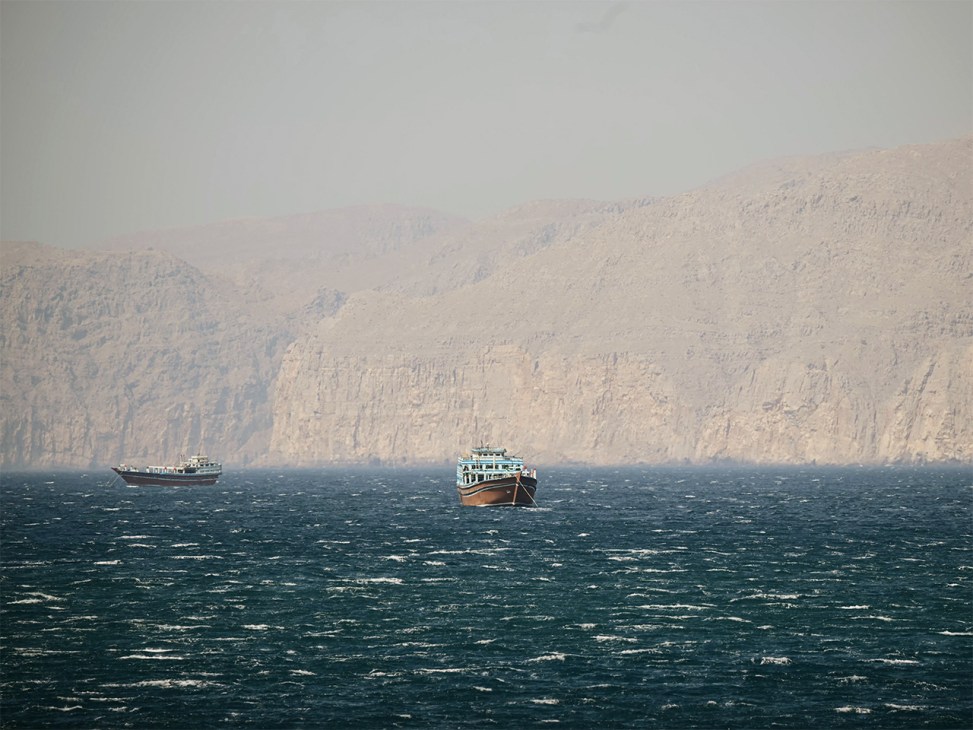
Iranian officials are portraying the postwar ceasefire with the United States and Israel as increasingly fragile.
In a September 8 call with Japan’s foreign minister, Foreign Minister Abbas Araghchi accused Washington of violating the June 2026 memorandum through new troop deployments, sanctions, strikes on coastal surveillance and radar sites, and a naval blockade—claims presented by Iran, not independently verified in the supplied reporting.
Tehran says direct US talks are frozen and is working with Oman on a temporary commercial route through the Strait of Hormuz.
Araghchi also said future Iranian-Omani arrangements could charge vessels for security, search-and-rescue, environmental protection, and lane maintenance.
The hard line is reinforced by IRGC Ground Forces commander Mohammad Karami, who said Iran never sought a ceasefire and that Washington and Israel asked for one.
Key facts:
On September 8, Araghchi accused Washington of breaching the June 2026 memorandum.
Iran says direct talks with the United States remain frozen, with messages passing through intermediaries.
Iran and Oman are developing a temporary commercial transit route through the Strait of Hormuz.
Araghchi proposed future fees for maritime security, rescue, environmental protection, and shipping-lane maintenance.
IRGC commander Mohammad Karami said Iran did not seek the ceasefire.
Why it matters: Tehran is trying to turn a ceasefire dispute into leverage over maritime access.
A paid, Iran-Oman-managed system would change the commercial terms of a critical waterway, while Japan’s demand for uninterrupted transit shows how quickly military tensions can become trade risks.
The proposed route and fee system remain plans, not implemented arrangements.
The statements also reveal a gap between formal de-escalation and political messaging: Araghchi portrays Iran as honoring the agreement, while Karami rejects the premise that Tehran wanted a ceasefire.
That divergence could complicate efforts to restart direct negotiations and make maritime incidents harder to contain.
Houthis Capture Mokha Port in Red Sea Offensive Backed by Iran

The Houthi movement captured Mokha Port in Yemen’s Taiz Governorate on September 10, advancing an offensive along the southern Red Sea coast.
The seizure followed nearly a week of fighting with Republic of Yemen Government–aligned forces in Hudaydah and Taiz, and expanded Houthi control over territory near the Bab al Mandeb Strait.
Yemeni government, Iranian, and regional sources told Reuters that Iran supplied weapons and guidance for the operation; U.S. officials told CNN they believe hundreds of Islamic Revolutionary Guard Corps officers are working with the Houthis.
The gain gives Iran a stronger partner near a vital shipping route as Tehran pressures Washington after attacks on U.S. bases in Kuwait and the United Arab Emirates.
But the Houthis may not automatically align future Bab al Mandeb operations with Iranian objectives, leaving the scale and timing of any shipping threat uncertain.
Key facts:
Houthis captured Mokha Port in Taiz Governorate on September 10.
Iran reportedly supplied arms and guidance for the offensive, according to Yemeni, Iranian, and regional sources.
U.S. officials told CNN hundreds of IRGC officers are working alongside Houthis in Yemen.
Iranian forces attacked U.S. bases in Kuwait and the UAE on September 3.
The IDF said it cleared Hezbollah’s Ali al Taher facility on September 3.
Why it matters: Mokha gives Iran and the Houthis a stronger position near the Bab al Mandeb, a strategic gateway for Red Sea shipping.
Tehran has struggled to secure recognized control over the Strait of Hormuz, where the United States reported that 17 million barrels of oil passed on August 31; influence near a second chokepoint could provide another way to raise economic and political pressure on Washington and Gulf states.
The immediate question is whether the Houthis use their new position to attack or threaten shipping, or retain flexibility independent of Tehran.
Houthi control could increase the cost and risk of regional maritime traffic even without a complete shutdown, but the sources caution that Houthi and Iranian objectives may not fully coincide.
Iran’s Rezaei Sets Four Conditions for a US Agreement

On August 28, Mohsen Rezaei, Iran’s Supreme National Security Council secretary, outlined four conditions for an agreement with Washington: ending the regional war, lifting the blockade of Iranian ports, compensation, and sanctions relief.
He said mediators had requested the list, but the statement did not establish that Iran’s leadership had approved a final negotiating mandate. The demands add institutional weight to Iran’s shifting public diplomacy.
Rezaei recently urged Pakistan’s army chief, Field Marshal Asim Munir, to press Washington to return to the June Islamabad memorandum, which envisioned ending hostilities, reopening the Strait of Hormuz, and creating a broader negotiating framework.
President Masoud Pezeshkian has also defended that memorandum. The sequence suggests Tehran is keeping diplomacy open while attaching a higher price to any deal, rather than signaling accommodation with the United States.
Key facts:
On August 28, Mohsen Rezaei named four conditions for a US agreement.
Iran demands an end to regional war, port access, compensation, and sanctions relief.
Rezaei became Supreme National Security Council secretary on August 10.
His remarks do not establish a formally approved negotiating mandate.
The June Islamabad memorandum envisioned ending hostilities and reopening the Strait of Hormuz.
Why it matters: Rezaei’s position matters because he combines senior security authority with a former IRGC commander’s hardline credentials.
His language gives mediators a concrete outline of what Tehran may seek, but the absence of a confirmed mandate leaves Iran’s bargaining authority unresolved.
For Washington, Tehran is linking de-escalation to compensation, sanctions relief, and maritime access. For Iran, keeping the June framework alive preserves a diplomatic channel while higher demands and uncertainty provide leverage.
The next key indicator is whether Iran’s senior leadership formally endorses Rezaei’s conditions.
Trump Rejects Claims Iran War Could Last Through His Term
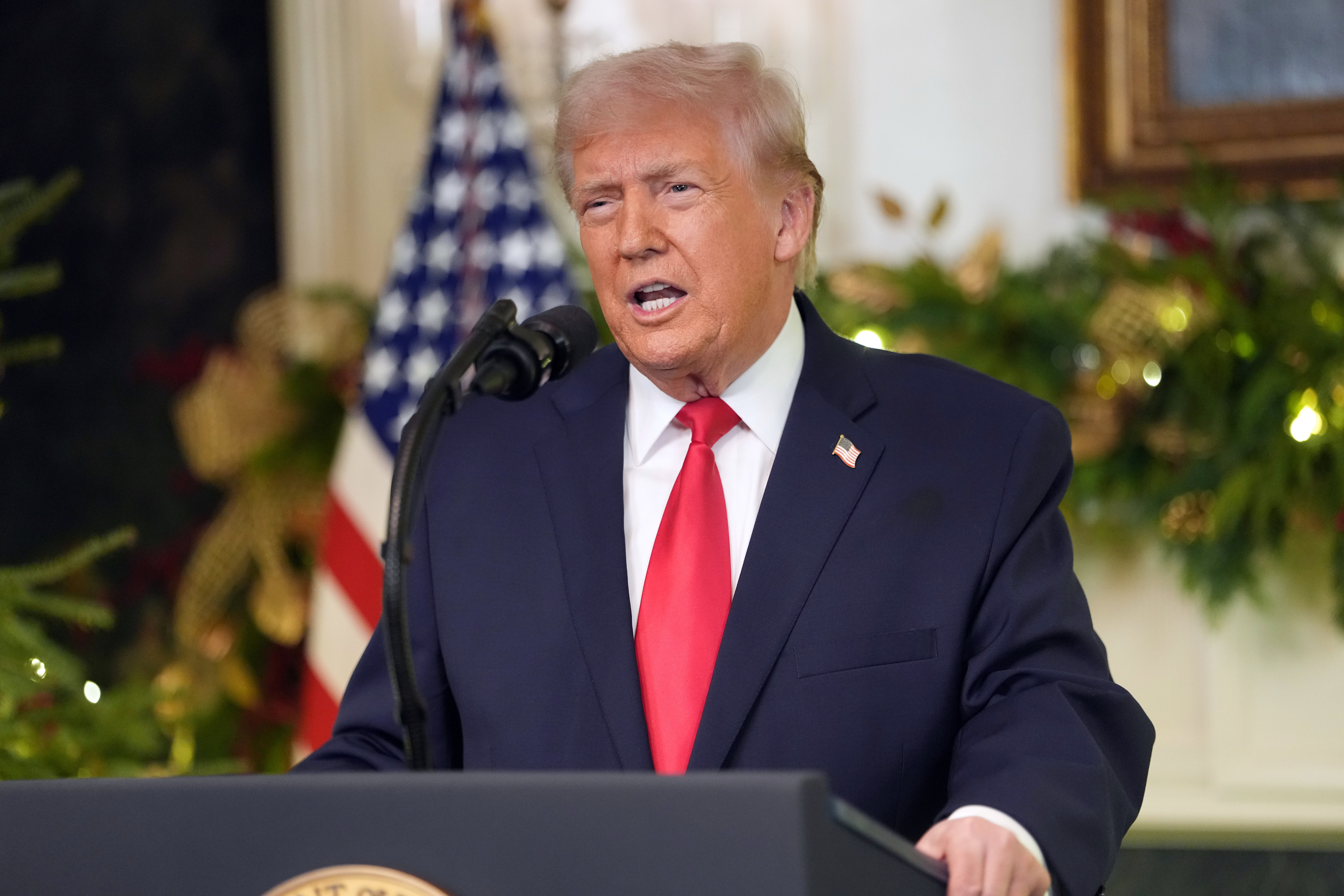
President Donald Trump said Thursday there was “no chance” the war with Iran would continue through the remainder of his term, revising a timeline that initially predicted four to six weeks. He said fighting could end after the U.S.
elections or sooner, while U.S. and Iranian delegations remain tied to negotiations begun in June.
The comments came as new reporting highlighted continued military and economic pressure. Two sources said Iranian strikes damaged U.S.
aircraft at Jordan’s Muwaffaq Salti Air Base, contradicting Trump’s denial, while a U.S. official said Iran had resumed limited ballistic-missile production underground at a much slower pace.
Saudi Arabia also shut its East-West pipeline as a precaution, underscoring the conflict’s continuing pressure on regional energy infrastructure.
Key facts:
Trump said the war had “no chance” of lasting through the remainder of his term.
Trump’s initial estimate was four to six weeks; he now points to after the elections or sooner.
Two sources said an Iranian strike damaged one A-10 and about eight F-15s in Jordan.
Iran resumed limited underground ballistic-missile production using prewar components.
Saudi Arabia shut its East-West pipeline as a precautionary measure.
Why it matters: Trump’s shifting timetable signals political confidence, but the reported aircraft damage and resumed missile production point to a conflict that remains operationally active.
The contradiction between Trump’s denial and accounts from sources familiar with the incident also creates uncertainty about how openly Washington is describing battlefield costs.
Iran’s slower missile output suggests that strikes, damaged production sites and the U.S. blockade are constraining replenishment, though Tehran retains some capacity to continue attacks.
The pipeline shutdown and ongoing Strait of Hormuz confrontation keep energy-market risks tied to the war, while the June negotiations remain the principal route toward ending it.
Renewed Israel-Hezbollah Fighting Raises Risks for Lebanon and Regional Stability
Fighting between Israel and Hezbollah has renewed along the Israel–Lebanon frontier, with Israeli military operations targeting Hezbollah-linked positions and Hezbollah continuing attacks.
The confrontation is increasing pressure on Hezbollah while damaging Lebanese communities and infrastructure and adding strain to the country’s fragile political and economic environment.
Israel presents its operations as necessary to protect its territory and prevent attacks, while Hezbollah maintains a resistance narrative.
International efforts to establish or strengthen a ceasefire face obstacles because military activity continues and both sides retain competing security demands.
The immediate question is whether the pressure weakens Hezbollah strategically or instead pushes Lebanon and the wider region toward a broader crisis involving Iran, the United States and other regional powers.
Key facts:
Renewed fighting is underway along the Israel–Lebanon frontier.
Israeli operations are targeting Hezbollah-linked positions.
Hezbollah continues attacks, keeping tensions high.
Ceasefire efforts face challenges as military operations continue.
Why it matters: Hezbollah is under greater military pressure, but Lebanon is absorbing damage to communities and infrastructure while its fragile political and economic environment comes under further strain.
Continued escalation could make a lasting ceasefire harder to achieve, leaving both sides’ competing security demands unresolved.
The next critical indicator is whether international ceasefire efforts gain traction or whether fighting continues to draw Iran, the United States and other regional powers more deeply into the confrontation.

IAEA Refers Iran’s Nuclear Case to the UN Security Council
On September 9, the IAEA’s 35-nation Board of Governors voted 23–3, with eight abstentions, to refer Iran to the UN Security Council—the first such referral in 20 years.
The United States, Britain, France and Germany backed the measure, citing Iran’s safeguards breaches, continued enrichment and unresolved questions about undeclared sites and materials.
The move follows a June 2025 finding of non-compliance and comes as inspectors have lost access and “continuity of knowledge” about Iran’s uranium and centrifuges. Iran called the resolution political and warned it could erode the nonproliferation regime.
The Security Council will now consider possible consequences, but Russia and China can veto action; meanwhile, CSIS reported accelerated construction at the deeply buried Pickaxe Mountain complex near Natanz, while finding no public evidence it can yet enrich uranium.
The combined picture is a diplomatic escalation paired with growing uncertainty about Iran’s nuclear infrastructure, not proof that Tehran has built a weapon.
Key facts:
The Board voted 23–3, with eight abstentions, to refer Iran’s case to the Security Council.
The referral is the first involving Iran in 20 years.
IAEA inspectors have visited only Bushehr since February 2026.
CSIS found a clear 2026 construction surge at Pickaxe Mountain near Natanz.
Iran’s mission called the resolution political and warned of regime-wide erosion.
Why it matters: The referral raises diplomatic pressure on Tehran but does not guarantee new UN sanctions or other binding measures.
Russia and China’s vetoes give them leverage over the next stage, while Iran faces intensified scrutiny from the United States and European powers. The verification gap is the more immediate security problem.
The IAEA cannot currently establish the location or quantity of some uranium and centrifuge-related items, and rebuilding basic oversight could take considerable time.
CSIS’s assessment also limits the appeal of a purely military solution: strikes might delay work at Pickaxe Mountain, but a durable answer would require a verifiable diplomatic agreement.