
AI Robotics in Medicine
PublicTracking updates in AI Robotics in the healthcare industry
GPT-5.6 outperforms doctors; OpenEvidence targets $20B
Saturday, Jul 18, 2026
Clinical AI hit a new milestone: in blinded reviews, physicians rated GPT-5. 6’s answers flawless roughly twice as often as doctor-written responses, prompting high-profile endorsements.
Mark Cuban countered that insurer bottlenecks—not model IQ—will decide impact, warning payer-built AI will “delay and deny,” even as polls show low public trust and appeals data highlight persistent friction.
Meanwhile, OpenEvidence reportedly pursues $200M at a $20B valuation on $150M revenue and widespread physician use (40%+ across 10,000+ sites); watch if the round prices at that multiple—and whether payer-side dynamics slow real-world gains.
Tracking: Medicine Robotics · AI Medicine · AI Healthcare
1. GPT-5.6 outperforms doctors; Cuban warns insurer AI will 'delay and deny'
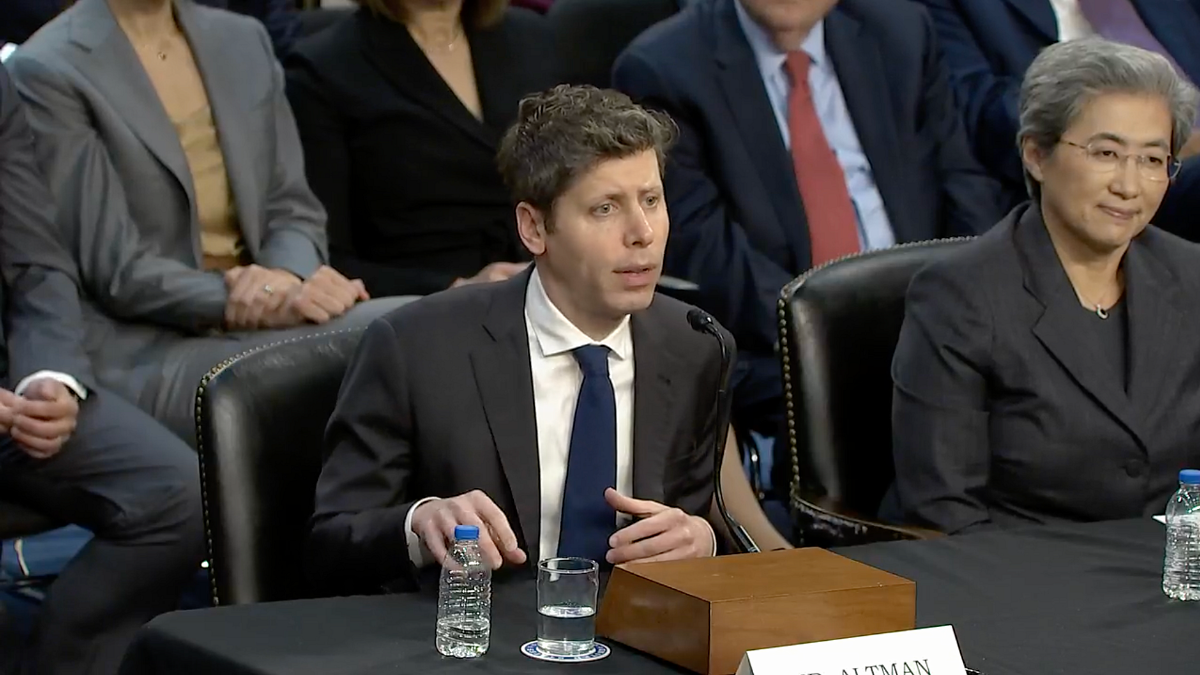
OpenAI’s health lead Karan Singhal said on July 10 that physicians, in blinded reviews, rated answers from the company’s new GPT-5. 6 models as flawless 19.
8%–23. 9% of the time, versus 10.
4% for physician-written responses. Sam Altman reposted the results July 11, and on July 12 Marc Andreessen declared, “AI is already a better doctor than 99.
99% of human doctors. ” Mark Cuban pushed back the same day, arguing smarter models won’t fix the choke points between clinics and payers.
He said 25% or more of doctors’ time already goes to battling insurers and other intermediaries, and warned those actors are building AI to “delay and deny” claims.
Cuban cited hospitals paying revenue cycle firms up to 10% of revenue, and pointed to Claimable—an AI appeals startup he backs that reports roughly three-in-four reversals after denials.
A West Health–Gallup poll found one in four U.S. adults has used AI for health questions; only 4% of recent users strongly trust its accuracy, and 11% believed they received unsafe advice.
Key facts:
- July 10: OpenAI’s Karan Singhal posted GPT-5.6 health-task results from blinded physician reviews.
- Physicians rated GPT-5.6 flawless 19.8%–23.9% versus 10.4% for physician-written responses.
- July 12: Marc Andreessen declared AI better than “99.99% of human doctors.”
- Mark Cuban replied: AI in healthcare will help insurers “delay and deny.”
- Cuban says 25% or more of doctors’ time fights insurers and intermediaries.
Why it matters: The clash spotlights a widening gap between rapid gains in AI clinical reasoning and the realities of U.S. healthcare payment.
Even if models surpass clinicians on benchmarks, patient outcomes hinge on whether payers authorize, reimburse, and process care efficiently.
If insurers scale AI to automate denials while patients and providers counter with AI-generated appeals, an arms race could raise administrative burdens rather than reduce them. Trust remains fragile: low confidence and safety concerns may slow adoption.
Watch for independent clinical validation of GPT-5. 6 in real workflows, concrete payer uses of AI in claims decisions, and whether health systems redirect AI toward reducing back-office friction instead of intensifying it.
2. OpenEvidence reportedly eyes $200M raise at $20B valuation
OpenEvidence, the Miami-based AI platform often described as “ChatGPT for doctors,” is reportedly considering raising $200 million at a $20 billion valuation. That would mark a near sixfold jump from its $3.
5 billion valuation in July 2025 and a rapid climb from $12 billion just months ago.
Over the past year, the company raised about $700 million, including a $200 million Series C in October 2025 at $6 billion and a $250 million Series D three months later that lifted it to $12 billion.
The platform provides AI clinical decision support using peer‑reviewed sources such as NEJM, JAMA, and NCCN guidelines, and more than 40% of U.S. physicians reportedly use it across 10,000+ hospitals and medical centers.
Reported annual revenue reached $150 million, implying a 130x+ multiple at a $20 billion valuation. OpenEvidence limits access to verified medical professionals, creating a trust moat and a natural growth cap.
Watch whether the round closes and at what price; at $20 billion or above, it would rank among the most valuable private AI companies globally.
Key facts:
- OpenEvidence is considering raising $200 million at a $20 billion valuation.
- Valuation would be nearly 6x higher than July 2025’s $3.5 billion.
- The company raised about $700 million over the past year.
- October 2025 Series C: $200 million at a $6 billion valuation.
- A $250 million Series D three months later lifted valuation to $12 billion.
Why it matters: If priced at $20 billion, this round would underscore investor conviction that AI clinical decision support can scale quickly—and set a new benchmark for private AI healthcare valuations.
A 130x+ multiple signals expectations of dramatic revenue growth, buoyed by reported penetration among U.S. physicians and hospital systems.
Backers ranging from top venture firms to Mayo Clinic could further accelerate clinical credibility and distribution, pressuring incumbents in medical knowledge tools and hospital decision-support software.
Watch whether the deal closes at or above $20 billion, subsequent revenue traction, and competitive responses from rival platforms and health IT vendors.