Data Centres
PublicTracking the latest news on data centres.
napasthein@gmail.com
Tensions Rise Over Data Centers Amid Resource Concerns
Thursday, Jun 11, 2026
As data centers expand rapidly, conflicts emerge between local communities and corporate interests over resource management and environmental impacts.
Protests in Utah and Boulder City reflect strong opposition, while legislative efforts in Ohio and Washington aim to balance tech growth with local needs.
The pressing challenge remains finding sustainable solutions amidst growing energy demands and environmental scrutiny.
Tracking: Data Center · Data Centre
1. AI Data Centres Face Energy and Resource Challenges
AI data centres, vital for cloud computing, are growing rapidly, raising energy consumption concerns. They consumed 415 terawatt hours (TWh) of electricity in 2024, projected to nearly double by 2030.
These facilities, while essential, also contribute to local temperature increases due to their energy-intensive operations.
Moreover, the hyping demand reflects the potential supply chain vulnerabilities, particularly with the shortage of indium phosphide impacting chip production.
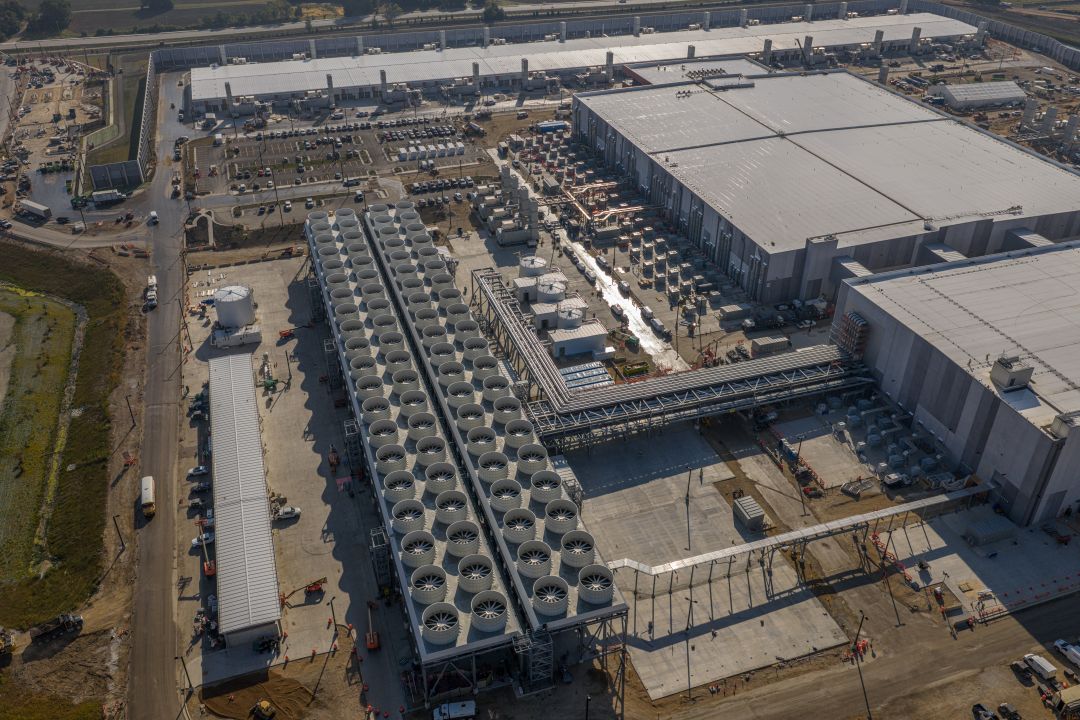
With over 11,600 data centres currently active, the industry's growth is tempered by escalating operational costs and environmental impacts, prompting a need for sustainable solutions in cooling and resource management.
2. Utah residents protest against a large data center amid drought crisis
Residents in Utah have mobilized against the Stratos Project, a proposed data center that would span thousands of acres.
Concerns center on its potential impact on the region’s water supply, especially amid ongoing drought conditions, leading Congress members to call for federal oversight.
Investors argue the facility's closed-loop cooling system mitigates water concerns, but skepticism persists among locals and officials alike. The local backlash highlights a growing tension between emerging tech needs and resource preservation.
As lawmakers observe the rising demand for data centers, calls for federal accountability may intensify. The situation is emblematic of broader national debates on energy use, sustainability, and the influence of Big Tech on local communities.
3. Ohio lawmakers fail to finalize data center regulation changes
Ohio lawmakers could not agree on Substitute House Bill 646 before summer recess, which aimed to regulate data centers.
The proposed bill sought to reduce sales tax exemptions from 100% to 50%, impacting new projects but not those with existing contracts, such as Meta, Google, and Amazon, which benefit from prior agreements.
Environmental groups raised concerns about water conservation related to data centers. The bill proposed requiring facilities to adopt closed-loop water systems or best practices for water efficiency.
With the vetoed elimination of tax exemptions still in play, the legislative gridlock suggests challenges ahead for regulating data centers effectively in Ohio.
Key facts:
- Substitute House Bill 646 aimed to limit sales tax breaks to 50%.
- Ohio provided $1.57 billion in tax exemptions for data centers last year.
- Major companies like Meta, Google, and Amazon are exempt due to prior contracts.
Why it matters: The failure to pass updated regulations indicates ongoing tension between economic development and environmental concerns in Ohio. Tech giants retain significant tax advantages while the state struggles with responsible regulation.
Moving forward, stakeholders will need to navigate these complexities while considering future legislative proposals.
4. Bresnahan Introduces Local Control Protection Act for Data Centers
U.S. Representative Rob Bresnahan introduced legislation to safeguard local municipalities from large corporations attempting to overturn data center decisions.
The Local Control Protection Act aims to ensure that community concerns about health, infrastructure, and character are prioritized and that developers must demonstrate concrete community benefits when seeking federal incentives.
This law responds to rising tension between local authorities and well-funded developers.
By safeguarding local voices, it attempts to mitigate the pressure on small towns from powerful companies, potentially reshaping future data center developments across the region.
Key facts:
- Bresnahan's bill aims to empower local municipalities regarding data center decisions.
- Developers often litigate against towns denying data center applications.
- The legislation requires proof of community benefits for federal incentives.
Why it matters: The Local Control Protection Act limits corporate influence, allowing communities to dictate local developments.
This could lead to more sustainable growth aligned with public concerns, but powerful developers may resist these restrictions, potentially escalating conflicts in local governance.
5. Chinese Influence Allegations Rise Amid U.S. Data Center Opposition
Local protests against the Stratos data center in Utah have stirred suspicions among tech elites. Some believe these protests may be funded by Chinese interests, despite a lack of direct evidence linking them to Beijing.
Tech investors, including OpenAI, noted dubious social media activity by likely Chinese accounts promoting anti-data center views.
While these influence efforts seemed limited, concerns about foreign interference in local debates continue to grow among high-profile tech figures.
Key facts:
- Protests against the Stratos data center occurred on May 23 in Salt Lake City.
- Interior Secretary Doug Burgum claimed foreign dark money is fueling local opposition.
- OpenAI identified Chinese accounts generating anti-data center content but limited in impact.
Why it matters: The allegations may foster distrust in local activism, complicating future data center development. Increased scrutiny on foreign influence could lead to stricter regulations and affect investment in tech infrastructure.
6. APAC Data Centers Face Growing Grid Challenges by 2026
More than 32 GW of planned data center capacity across Asia-Pacific is straining power grids, prompting regulators to impose tougher clean energy requirements.
Developers must now invest in battery storage and grid-support technologies, as access to reliable power becomes a primary hurdle for growth. Regulators are shifting responsibilities to data center operators to enhance grid reliability and decarbonization.
Measures include conditional access for quicker power connections and directing developments to regions with better grid infrastructures, significantly changing how data centers navigate energy procurement and operational strategies.
Key facts:
- 32 GW of planned data center capacity across over 1,150 projects
- Regulators demand collaboration on grid reliability and clean energy
- Emerging trends include conditional access and geographic diversification
Why it matters: As data centers adapt to new regulations, developers face higher operational costs and complexity. This shift affects where and how data centers are built, impacting local economies and energy markets across Asia-Pacific.
7. Boulder City residents oppose AI data center over environmental concerns
Boulder City, Nevada, is facing intense backlash against a proposed AI data center on city land. Opponents argue the facility threatens the town’s identity and exacerbates existing environmental issues, with over 6,200 signatures collected against the project.
Currently, data centers in Nevada consume nearly 25% of the state's electricity, with projections predicting that number will more than double by 2033.
The proposed data center, spearheaded by Texas-based Townsite Solar 2 LLC, would be the first in Boulder City.
Critics cite the significant water consumption and energy demands of existing facilities, including Google's, as unsustainable in a region already facing resource constraints.
As the tech sector's data demands grow, residents must grapple with the balance between development and preserving community values.
Key facts:
- Boulder City proposed an AI data center on 88.5 acres of city land in January.
- Data centers already consume nearly 25% of Nevada's electricity.
- Google's Henderson facility used over 205 million gallons of water in 2024.
Why it matters: The opposition in Boulder City reflects a broader tension between technological advancement and environmental sustainability.
As demand for data processing surges, communities may need to scrutinize the impact of such developments on their resources and identity.
napasthein@gmail.com · 2026-06-11T15:07:09.777Z